
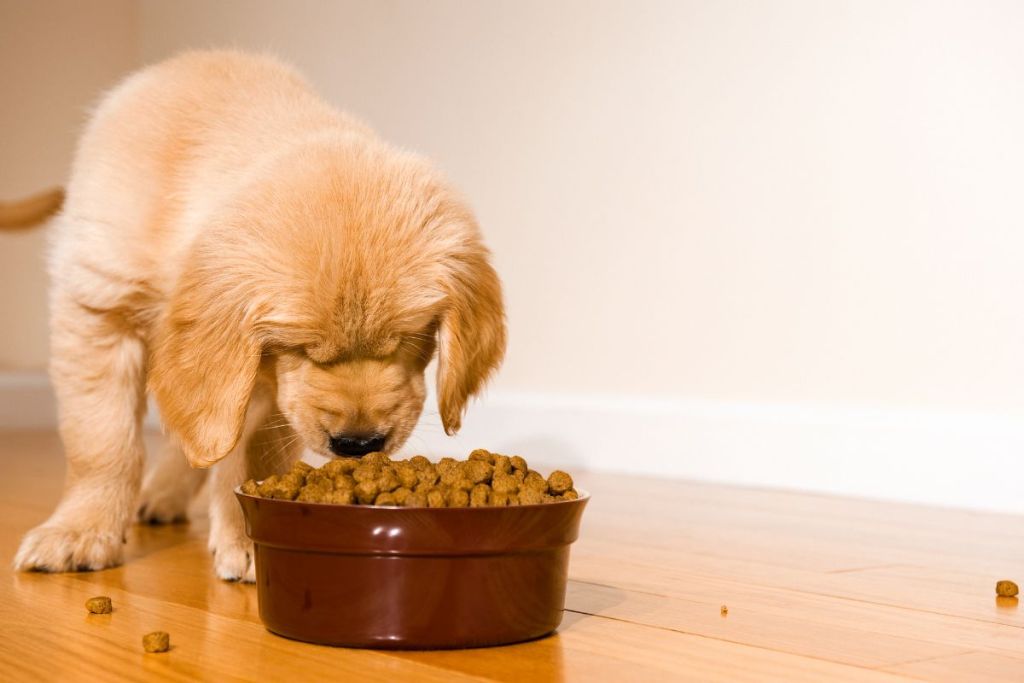
Yes, many dogs may poop more frequently on dry food compared to wet food, but this varies by individual dog. The increased frequency typically results from three main factors: (1) dry kibble contains only 10% moisture versus 80% in wet food, requiring more water intake for proper digestion, (2) dry foods often contain higher fiber content which increases bowel movement frequency, and (3) lower-quality dry foods with fillers can cause more frequent, looser stool.
Key Facts:
- Dogs typically digest food within 8-12 hours
- Dry food requires dogs to drink twice as much water as wet food
- High-quality dry food with real meat proteins produces firmer, less frequent stools
- Transition period: 7-10 days needed when switching to dry food
- Normal frequency: 1-3 times daily for most dogs on dry food
What Affects Poop Frequency on Dry Food:
- Fiber content – Higher fiber increases frequency
- Water intake – Insufficient hydration causes harder, more frequent attempts
- Food quality – Premium ingredients reduce frequency; fillers increase it
- Individual factors – Age, activity level, and digestive sensitivity
Most dogs adapt well to quality dry food with proper hydration, maintaining regular, healthy bowel movements within their normal range. For pet owners in Northeast Florida, Scoop Day provides professional waste removal services to help maintain clean yards regardless of your dog’s diet.

Learning How Dogs Process Food
Before exploring how dry food changes your dog’s poop habits, learn basic canine digestion facts. Dogs eat both meat and plant foods, making them omnivores by nature according to ASPCA’s pet care guidelines. Food ingredients greatly influence how dogs digest meals and poop afterward. Understanding digestion helps pet owners make better feeding choices for their companions.
How Your Dog’s Stomach Works
Dogs have shorter digestive systems than people, so they process meals much faster. Food typically moves through a dog’s body within 8 to 12 hours completely. The digestive process happens in four main steps that work together smoothly.
- First, dogs eat their food while chewing and mixing it with natural saliva.
- Next, stomach and intestinal enzymes break food down into nutrients the body uses.
- Then, nutrients pass through intestinal walls directly into the dog’s bloodstream for distribution.
- Finally, leftover waste materials move into the colon where water gets removed.
The remaining material becomes the dog poop that gets expelled from the body. This process shows exactly how diet choices impact your dog’s health and dog poop patterns. Understanding these stages helps pet owners recognize normal versus abnormal digestive functions. Each step requires proper nutrition and adequate water intake to function correctly as noted by PetMD’s digestive health resources. When any stage gets disrupted, it directly affects the quality of dog poop produced. Dogs with healthy digestive systems typically maintain consistent dog poop schedules throughout their lives. Regular feeding times support natural digestive rhythms and promote better dog poop formation.
Monitoring your dog’s digestive process helps identify potential health issues before they become serious. Changes in dog poop consistency often indicate digestive problems that need veterinary attention. Proper digestion ensures your dog absorbs maximum nutrients from their daily meals. This complete process takes approximately half a day from eating to dog poop elimination. Pet owners should observe their dog’s normal patterns to detect any concerning changes. Healthy digestion produces firm, well formed dog poop that indicates good internal health. Dogs process different foods at varying speeds depending on ingredients and quality levels. The entire digestive journey affects both your dog’s energy levels and dog poop characteristics. Whether you’re in Jacksonville or surrounding areas, keeping your yard clean helps you better monitor your pet’s digestive health.
Different Foods Create Different Results
Food types significantly change how dogs digest meals and poop afterward. Dry kibble contains much less water than wet canned food options available. This moisture difference directly affects how often dogs poop daily. It also changes the texture and quality of the dog poop according to Pets in the Family nutrition experts.
Important Things That Change Dog Poop Habits
Food ingredients like protein, fat, fiber, and carbs all influence digestion in dogs. Poor quality ingredients often create loose, unformed dog poop in most cases. High quality, nutrient rich foods help dogs produce better formed, healthier dog poop.
- Water intake matters greatly since dry food has less moisture than alternatives.
- Dogs must drink enough water daily or dehydration affects their poop quality.
- Proper hydration keeps dog poop formation normal and prevents digestive problems.
- Fiber content controls how regular poop schedules become over time.
- High fiber diets help dogs maintain consistent, well formed poop patterns.
- Low fiber diets may cause constipation or create irregular poop timing.
Your dog’s health and exercise levels also impact digestion and poop frequency. Active dogs typically digest food better and maintain more regular poop schedules. Age affects digestive efficiency, with older dogs sometimes experiencing slower processing times. Stress and anxiety can disrupt normal digestive patterns and change dog poop consistency. Sudden diet changes often cause temporary digestive upset and altered dog poop formation. Medical conditions like allergies or sensitivities directly influence poop quality and frequency as documented by the Pet Health Network.
Environmental factors such as temperature and routine changes affect digestive health patterns. Regular exercise promotes healthy digestion and helps maintain consistent poop schedules. Proper portion sizes prevent digestive overload and support normal dog poop formation. Some dogs require specific dietary adjustments to maintain optimal digestive health and dog poop quality. Individual dogs may respond differently to identical foods based on their unique digestive systems. Monitoring these factors helps pet owners maintain their dog’s digestive health and normal dog poop patterns. Professional residential poop scooping services can help you track changes in your dog’s waste patterns more easily. For answers to common questions about waste management and pet health, check our frequently asked questions page.
Does Dry Food Make Dogs Poop More Often?
Now, let’s answer the main question about dry food and dog poop frequency patterns. The answer involves multiple factors that affect each dog differently over time. Food quality, individual digestive systems, and water intake all influence dog poop habits significantly. Some dogs may experience more frequent dog poop sessions when eating dry kibble. Others might maintain their regular dog poop schedule without any noticeable changes at all according to Great Pet Care’s feeding guidelines.
How Dry Food Changes Dog Poop Frequency
Many pet owners notice increased dog poop frequency after switching to dry kibble diets. This change happens for several important reasons that affect digestive health patterns. Understanding these factors helps pet owners prepare for potential changes in their dog’s routine.
- Higher fiber content in dry food often increases dog poop frequency throughout the day.
- Fiber helps food move through intestines faster, creating more regular dog poop elimination schedules.
- Dry kibble contains only 10% moisture while wet food contains up to 80% water.
- When dogs don’t drink enough water with dry food, harder stools form inside.
- This can cause more frequent poop attempts as bodies try eliminating waste material.
- Dogs also need adjustment time when changing to dry food from other diets.
- Their digestive systems require several days to adapt to new food ingredients completely.
During this transition period, dog poop frequency and consistency may change temporarily throughout the week. Most dogs return to normal poop patterns once their systems adjust properly to kibble. Individual dogs respond differently to dry food based on their unique digestive capabilities. Some dogs may experience loose poop initially before firming up over time.
Others might have constipation issues if they don’t increase their daily water intake sufficiently. Pet owners should monitor their dog’s poop changes closely during food transitions. Gradual food changes over seven to ten days help minimize digestive upset completely. Sudden diet switches often cause more dramatic poop frequency changes than gradual transitions. Proper hydration becomes especially important when feeding dogs dry kibble exclusively for meals. The National Park Service pet guidelines emphasize proper waste disposal regardless of frequency changes.
Food Quality Makes a Difference: Picking Good Dry Food
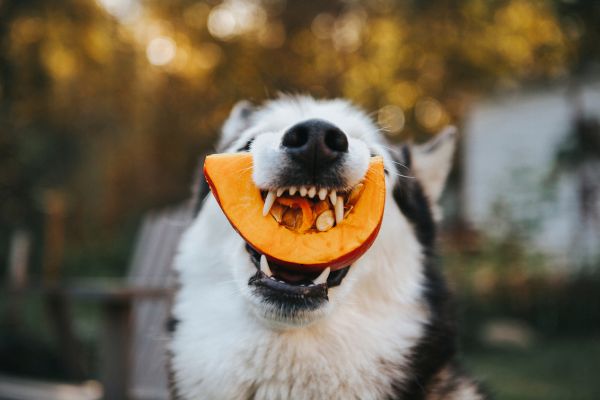
Not all dry dog food provides the same nutritional value for your pet. Ingredient quality directly affects how dogs digest food and produce dog poop daily. Higher quality ingredients lead to better formed, healthier dog poop in most cases. Poor ingredients often result in loose, frequent dog poop that indicates digestive problems. Pet owners should research brands carefully before making feeding decisions for their dogs. Understanding ingredient labels helps you choose foods that support healthy dog poop formation. For commercial properties in Jacksonville, managing waste from multiple dogs requires understanding how diet affects output.
Finding the Best Food Ingredients
Quality protein sources should appear as the first ingredient on dry food labels consistently. Choose foods with chicken, beef, or fish instead of corn or soy fillers. Understanding what to look for helps pet owners make better nutritional choices.
- Choose foods with chicken, beef, or fish instead of corn or soy fillers.
- Whole grains like brown rice digest better than processed grain options available.
- These ingredients support normal dog poop formation and reduce digestive upset significantly.
- Omega fatty acids from healthy fats improve skin health and aid digestion processes.
- Avoid foods containing artificial colors, flavors, or chemical preservatives that harm digestive systems.
- These additives can cause irregular poop patterns and long term health issues according to USDA Animal Care standards.
Reading ingredient lists carefully ensures you select foods that promote consistent dog poop quality. Premium ingredients cost more but provide better nutrition and are far more healthier. Dogs with sensitive stomachs especially benefit from high quality, natural ingredient formulations. Cheap fillers often cause digestive problems that result in poor poop consistency. Natural preservatives like vitamin E work better than chemical alternatives for digestive health. Quality control in premium foods ensures consistent nutrition that supports regular dog poop patterns. Pet owners should avoid foods with unnamed meat meals or by-products listed. Fresh, identifiable ingredients promote better digestion and improve overall dog poop quality significantly.
Investing in quality food reduces veterinary costs related to digestive issues over time. Dogs eating premium ingredients typically produce firmer, less frequent dog poop than those eating fillers. Consistent quality ingredients help maintain predictable dog poop schedules that owners can monitor easily. Whether you’re in St. Augustine or around the beaches in Northeast Florida, professional scooping services help manage waste regardless of food quality.
Fiber Content Affects Dog Poop Quality
Balanced fiber content helps dogs maintain regular, well formed poop schedules daily. Look for foods containing both soluble and insoluble fiber for optimal digestive health. Understanding fiber types helps pet owners choose appropriate foods for their dogs.
- Look for foods containing both soluble and insoluble fiber for optimal digestive health.
- Too much fiber can cause loose poop while too little creates constipation.
- The right balance promotes healthy dog poop consistency and regular elimination timing.
- Proper fiber levels support natural digestive processes that create normal dog poop patterns.
- Soluble fiber helps firm up loose dog poop by absorbing excess water.
- Insoluble fiber adds bulk and helps move waste through the digestive system.
Different dogs require varying fiber levels based on their individual digestive needs completely. Senior dogs often need higher fiber content to maintain regular dog poop schedules. Active dogs may require less fiber since exercise naturally promotes healthy digestion. Dogs with sensitive stomachs benefit from easily digestible fiber sources like pumpkin. Natural fiber sources work better than synthetic additives for long term digestive health.
Puppy foods typically contain moderate fiber levels appropriate for developing digestive systems. Dogs recovering from illness may need temporarily adjusted fiber intake levels. Fiber content should match your dog’s age, activity level, and health status precisely. Too much fiber can cause gas and uncomfortable dog poop straining issues. Gradual fiber increases prevent sudden dog poop changes that might indicate digestive upset. Monitoring your dog’s response to fiber helps determine the optimal amount needed. The EPA’s environmental guidelines highlight the importance of proper pet waste management for community health.
Switching Foods Gradually Prevents Dog Poop Problems
Introduce new dry food slowly over seven to ten days to prevent upset. Start with 80% old food mixed with 20% new food initially. Gradual transitions help dogs adjust to new ingredients without digestive stress or complications.
- Start with 80% old food mixed with 20% new food initially.
- Gradually increase new food portions while decreasing old food amounts each day.
- This method helps dogs adjust without experiencing loose dog poop or digestive distress.
- Sudden food changes often cause temporary dog poop frequency increases and stomach upset.
- Patient transitions protect your dog’s digestive system and maintain normal dog poop consistency.
- Most dogs need seven to ten days for complete dietary transitions according to CDC’s Healthy Pets guidelines.
Dogs with sensitive stomachs may require slower transitions lasting up to two weeks. Puppies and senior dogs often need extra time adjusting to new food formulations. Monitor your dog’s dog poop closely during transition periods for any concerning changes. Normal dog poop should remain formed and consistent throughout the switching process completely. Loose dog poop during transitions usually indicates the change is happening too quickly. Some dogs experience temporary appetite changes during food transitions that resolve naturally. Mixing foods thoroughly ensures your dog gets consistent nutrition throughout the transition period.
Emergency food switches should only happen under veterinary guidance to prevent problems. Successful transitions result in improved dog poop quality and better overall digestive health. Planning food changes ahead of time allows for proper gradual transitions always. Patience during food switches prevents digestive upset and maintains your dog’s comfort levels. Pet owners in Green Cove Springs, Palm Coast, and Orange Park can rely on professional services to manage increased waste during transition periods.
Water Intake Controls Dog Poop Health
Proper hydration becomes essential when feeding dogs dry kibble exclusively for meals. Dogs need plenty of fresh water daily to process dry food properly. Insufficient water intake leads to hard, difficult to pass dog poop formation issues.
- Dogs need plenty of fresh water daily to process dry food properly.
- Insufficient water intake leads to hard, difficult to pass dog poop formation.
- Water helps break down dry kibble and supports healthy dog poop development inside.
- Dehydration quickly affects dog poop quality and can indicate serious health problems.
- Active dogs require more water than sedentary dogs for proper digestion.
- Hot weather increases water needs significantly for all dogs eating dry food.
Dogs eating dry food need approximately twice as much water as wet food. Environmental factors like heat and humidity increase daily water requirements for proper digestion. Signs of dehydration include dark colored, small amounts of hard dog poop formation. Adequate hydration keeps dog poop soft enough to pass comfortably without straining. Dogs naturally drink more water when eating dry kibble to aid digestion. Fresh water should always be available, especially during meal times for dogs. Some dogs drink more water immediately after eating dry kibble to help with swallowing.
Proper hydration supports kidney function and helps process nutrients from dry food. Water quality matters as much as quantity for maintaining healthy dog poop. Clean water bowls encourage dogs to drink adequate amounts throughout the day. Monitoring water intake helps identify potential health issues before they become serious problems. Florida’s DEP emphasizes proper water conservation while maintaining pet health standards.
Ways to Keep Your Dog Drinking Water
Always provide clean, fresh water and change it daily to encourage drinking. Adding small amounts of water to dry food helps increase moisture intake. Some dogs prefer moving water from fountains over still bowls for drinking regularly.
- Always provide clean, fresh water and change it daily to encourage drinking.
- Adding small amounts of water to dry food helps increase moisture intake.
- Monitor your dog’s water consumption, especially if you notice poop changes recently.
- Some dogs prefer moving water from fountains over still bowls for drinking.
- Flavoring water with low sodium broth can encourage reluctant dogs to drink more.
- Multiple water stations throughout the house increase accessibility and consumption rates.
Location matters when placing water bowls to encourage regular drinking throughout the day. Stainless steel or ceramic bowls work better than plastic for maintaining water freshness. Elevated water bowls help larger dogs drink more comfortably and may increase intake. Ice cubes added to water bowls can make drinking more appealing for dogs. Room temperature water appeals to most dogs more than cold or warm water. Cleaning water bowls regularly prevents bacteria growth that might discourage drinking behavior.
Some dogs drink more when water bowls are placed near their food. Automatic water dispensers ensure fresh water availability when owners are away from home. Dogs learn drinking habits, so establishing good routines early promotes lifelong healthy hydration. Proper hydration directly correlates with normal, healthy poop production and overall wellness. Encouraging adequate water intake prevents many digestive problems and supports optimal dog poop quality. Professional services are available across multiple locations including Savannah, GA to help manage your pet’s waste.
Conclusion
Understanding how dry food affects your dog’s poop patterns helps you make better feeding decisions. Quality ingredients, proper fiber content, and gradual food transitions all contribute to healthier dog poop formation. Your dog’s individual digestive system, activity level, and hydration needs determine their specific poop frequency. Monitoring these factors allows you to identify potential health issues before they become serious problems.
Most importantly, adequate water intake remains crucial for dogs eating dry kibble exclusively. Fresh water availability, gradual diet changes, and quality food choices support optimal digestive health. Pay attention to your dog’s normal poop patterns and consult your veterinarian about changes. By following these practical tips, you can help your furry friend maintain regular, healthy poop schedules while enjoying the convenience and nutritional benefits that quality dry food provides for their overall wellness. For more information about our services or answers to common questions, visit our FAQ page or contact us directly.
FAQs
Does dry food make dogs poop more than wet food?
Dry food can increase dog poop frequency due to higher fiber content and lower moisture. Individual dogs respond differently, so monitor your pet’s specific patterns after switching foods.
How long does it take for dogs to adjust to dry food?
Most dogs need seven to ten days to fully adjust to new dry food. Dogs with sensitive stomachs may require up to two weeks for complete adaptation.
What ingredients should I avoid in dry dog food?
Avoid artificial colors, flavors, preservatives, and unnamed meat meals in dry dog food. Choose foods with quality proteins like chicken, beef, or fish as first ingredients.
How much water should my dog drink with dry food?
Dogs eating dry food need approximately twice as much water as wet food. Always provide fresh water and monitor intake, especially during hot weather conditions.
Can sudden diet changes cause dog poop problems?
Sudden food changes often cause temporary digestive upset and irregular dog poop patterns. Gradual transitions over seven to ten days prevent most digestive issues completely.
