
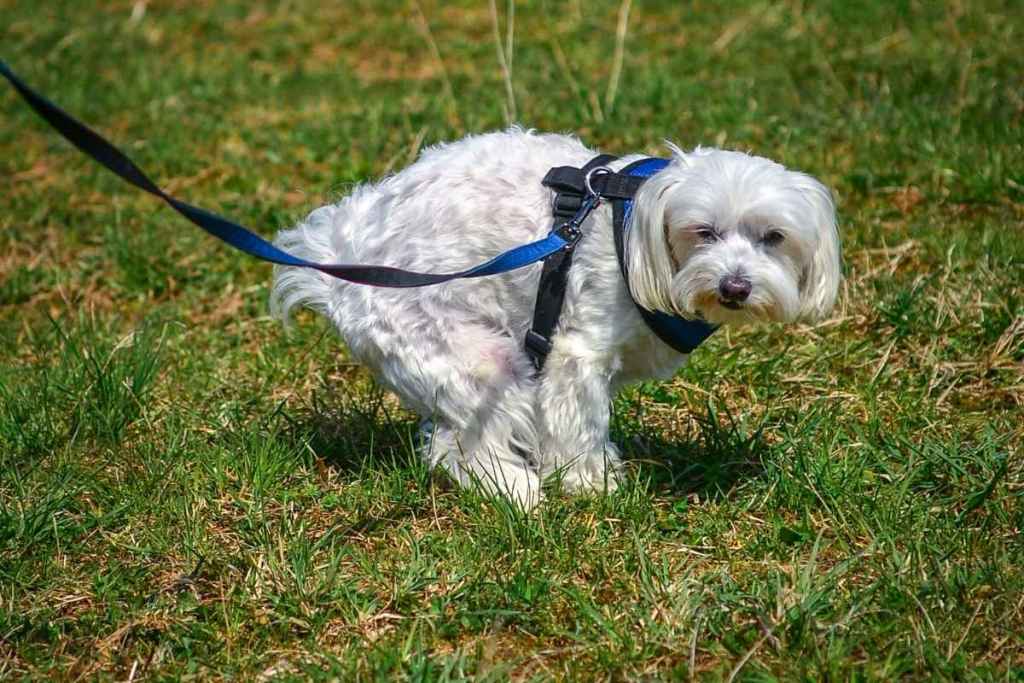
Dog poop should be brown, firm, and log-shaped. Changes in your dog’s stool color, consistency, or shape can indicate serious health problems requiring immediate veterinary attention. As pet waste management experts at Scoop Day, we understand the importance of monitoring your dog’s bathroom habits. The ideal stool should hold its form when picked up and have a slightly moist texture without being overly soft or hard. Regular monitoring of your dog’s bowel movements can help you catch potential digestive issues, infections, or dietary problems before they become more serious health concerns.
Normal Dog Poop: What Healthy Stool Looks Like
- Color: Medium to dark brown
- Consistency: Firm but not hard, holds together when picked up
- Shape: Log or sausage-like formation
- Frequency: 1-3 times daily for most dogs
When Dog Poop Signals Health Problems
- Red dog poop indicates fresh blood from the lower digestive tract and requires immediate veterinary care. According to the ASPCA’s pet care guidelines, common causes include colitis, parasites, or tumors.
- Black dog poop (melena) contains digested blood from the stomach or small intestine – this is a veterinary emergency signaling potential ulcers or serious bleeding disorders.
- Yellow dog poop may indicate liver, pancreas, or infection issues when appearing suddenly. PetMD veterinary resources emphasize the importance of documenting any sudden color changes.
- Jelly-like consistency often signals colitis or intestinal inflammation. For pet owners in Jacksonville dealing with persistent waste issues, our residential dog poop scooper services can help maintain a cleaner yard while you monitor your pet’s health.
- Watery diarrhea lasting more than 48 hours requires professional evaluation.
- Hard, dry poop indicates constipation or dehydration.
Why monitor your dog’s poop: Regular monitoring of your dog’s bathroom habits helps detect digestive problems early, preventing minor issues from becoming serious health complications. Many commercial properties benefit from our commercial dog poop scooper services to maintain sanitary conditions while observing pet health patterns.

Understanding Your Dog Poop Health: A Complete Guide
This comprehensive dog poop health guide provides essential information for pet owners. Understanding your dog’s poop appearance helps you monitor your pet’s well-being effectively. Every dog owner should learn to recognize normal versus concerning changes in their pet’s waste. Regular monitoring of dog poop health can help detect potential health issues early.
Dog Poop Colors and What They Mean
While not the most pleasant topic, your dog’s stool color can reveal important information about its health. Changes in color may indicate dietary issues, digestive problems, or more serious medical conditions. WebMD’s pet health section provides additional insights into recognizing these warning signs. Learning to recognize what’s normal and what’s cause for concern can help you catch potential health issues early and know when to contact your veterinarian.
Normal Dog Poop Color and Consistency
Healthy dog poop should appear brown in color with a firm, log-like consistency. Some dogs naturally produce lighter brown waste, while others have darker brown stools. Your dog’s poop may occasionally show a slight orange tint from their regular diet. This variation in dog poop health indicators is typically normal and food-related. Establishing your pet’s baseline appearance helps you identify concerning changes quickly. Our team understands these variations from years of experience in pet waste management.
Red Dog Poop: When to Take Action
Red coloring in dog poop typically indicates the presence of fresh blood. This bleeding often originates from the lower digestive tract or anal glands. Red streaks in dog poop can signal serious conditions requiring immediate attention. Common causes include colitis, parasites, tumors, polyps, or bleeding disorders affecting the health of the dog’s poop. The Pet Health Network recommends contacting your veterinarian immediately if you notice red coloring in your pet’s waste.
Black Dog Poop: Understanding Melena
Black dog poop contains digested blood and requires urgent veterinary evaluation. This condition, called melena, indicates bleeding in the stomach or small intestine. Black coloring in dog poop can also result from swallowed blood being digested. Potential causes include stomach ulcers, gastroenteritis, or serious bleeding disorders compromising dog’s poop health. Never ignore black-colored stools as they represent potentially life-threatening conditions.
Yellow Dog Poop: Recognizing Warning Signs
Yellow-tinted dog poop can sometimes occur naturally without health concerns. However, sudden color changes in your pet’s waste warrant veterinary consultation. Yellow coloring may indicate infections, colitis, or liver and pancreas problems. Great Pet Care emphasizes monitoring these dog poop health changes to ensure early detection of digestive issues. Document any color changes and discuss them with your veterinarian promptly.
How to Check Your Dog’s Poop Shape for Health Signs
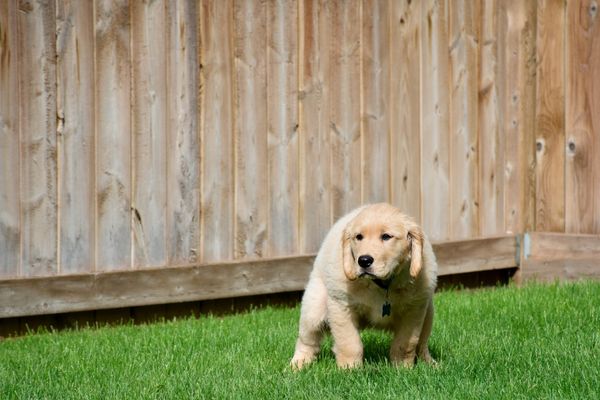
Understanding your dog poop health is crucial for maintaining your pet’s overall well-being. Every dog owner should know how to identify normal versus abnormal waste patterns. Monitoring dog poop regularly helps detect digestive problems before they become serious health issues. This guide will teach you exactly what to look for in your pet’s bathroom habits. For comprehensive waste management across multiple locations, professional services can help maintain cleaner environments while you focus on health monitoring.
Normal Dog Poop Shape
Healthy dog poop appears as a log or sausage shape that holds together well. The size should match your dog’s rectum to allow easy passage without straining. Normal waste should be firm but not too hard to pass comfortably.
Warning Signs in Dog Poop Health
- Nugget or knobbly pieces: These typically signal constipation or dehydration in your pet
- Small, hard formations: Your dog may need more water or fiber in their diet
- Shapeless or liquid waste: Usually points to diarrhea, which requires immediate attention
- Unusual colors or textures: May indicate dietary issues or underlying health problems
Taking Action for Better Dog Poop Health
Regular dog poop health checks help you catch digestive issues early before they worsen. Watch for changes in your pet’s normal bathroom habits and waste consistency. The Spruce Pets provides additional guidance on maintaining optimal pet health through observation. Keeping a mental note of your dog’s typical poop shape makes spotting problems easier.

Insights into Dog Health Through Poop Consistency
Monitoring your dog’s poop health provides valuable insights into your pet’s overall well-being. Every responsible dog owner should understand what normal dog poop looks like and when changes signal concern. Your dog’s bathroom habits reveal important information about their digestive system, diet, and health status. Learning to recognize different poop consistencies helps you respond quickly to potential problems. This comprehensive guide covers everything you need to know about evaluating your dog’s waste. Understanding these warning signs empowers you to take appropriate action for your pet’s health. Regular observation of your dog’s poop patterns becomes an essential part of responsible pet care. For residents in St. Augustine, our dog poop scooper services help maintain yard cleanliness while supporting your health monitoring efforts.
Normal Dog Poop
Healthy dog poop should maintain a well-formed shape when you pick it up. The ideal consistency feels soft but not mushy when touched with gloves. Normal dog poop health indicators include easy cleanup and consistent daily bowel movements. Your pet’s waste should hold together without being too firm or completely liquid. Regular monitoring of your dog’s bathroom habits helps identify potential health concerns early.
Dog’s Poop Looks Like Jelly
Jelly-like dog poop often resembles soft-serve ice cream that wobbles when moved. This consistency may signal colitis or intestinal inflammation in your pet. Watch for additional symptoms like blood streaks, mucus, or unusual odors in the stool. Discover Animals suggests considering switching to easily digestible, simple-ingredient foods to support digestive recovery. Dog poop health problems like this require dietary adjustments and close observation. Consistent jelly-like stools warrant professional veterinary evaluation for proper treatment.
Watery Dog Poop
Watery diarrhea indicates several possible health issues, including infections or dietary problems. Food sensitivities, sudden diet changes, or eating inappropriate items commonly cause loose stools. Try offering bland, easily digestible meals for one to two days initially. Monitor your dog’s overall energy levels, appetite, and hydration during this time. Persistent watery dog poop lasting more than 48 hours requires veterinary attention. Severe cases may lead to dehydration and require immediate professional intervention. Pet owners in The Beaches area can rely on our local services for consistent yard maintenance during health monitoring periods.
Hard Dog Poop
Hard, dry dog poop typically indicates constipation or dehydration in your pet. Insufficient water intake or eating non-food items often causes this condition. Lack of fiber in the diet can also contribute to difficulty passing stools. Watch for signs of straining, discomfort, or inability to defecate normally. Dog poop health issues, like chronic constipation, need veterinary evaluation and treatment. Dietary modifications and increased water consumption usually help resolve minor cases.

Signs to Watch for in Your Dog’s Poop
Monitoring your dog’s poop health regularly helps you identify potential health issues early, as changes in consistency, color, or frequency often indicate underlying digestive problems or dietary concerns. Several warning signs in dog poop require immediate attention from pet owners, and establishing a baseline understanding of your dog’s normal bowel movements will make it easier to spot concerning changes that warrant veterinary consultation. Professional Jacksonville dog poop scooper services can help maintain clean yards while you focus on health monitoring.
Common Warning Signs You Might Notice
- Live worms – If you haven’t dewormed your pet recently, live worms may appear in their waste. This clear indicator means you should contact your veterinarian immediately for proper treatment. Pawpits offers additional resources on parasite prevention and detection.
- Mucus or slime – Dogs with colitis often produce stool containing visible mucus or slime. This symptom suggests intestinal inflammation that needs professional evaluation.
- Foreign materials – When pets consume inappropriate items, foreign materials like string, plastic, or grass appear in their waste. These objects can cause dangerous blockages requiring immediate attention.
- Blood traces – Any blood in dog poop signals potential health problems needing veterinary assessment.
Fresh worms in dog poop indicate an active parasitic infection requiring professional intervention. Your veterinarian can recommend the most effective deworming schedule for your pet’s specific needs. For residents in Green Cove Springs, our specialized services ensure proper waste disposal while maintaining health vigilance.
Why Regular Monitoring Matters
Regular dog poop health monitoring allows early detection of digestive problems. Quick action prevents minor issues from developing into serious health complications. Pets in the Family emphasizes that consistent observation helps maintain your dog’s overall wellness and prevents costly emergency treatments. Always consult your veterinarian when you notice unusual changes in your pet’s bowel movements. For comprehensive coverage, we also serve Palm Coast and Orange Park areas with professional waste management services.
Conclusion
Monitoring your dog’s poop health is a crucial aspect of responsible pet ownership that can save your dog’s life. Regular observation of your pet’s bowel movements provides valuable early warning signs of digestive issues, infections, and serious health conditions. Normal dog poop should be brown, firm, and log-shaped, occurring 1-3 times daily. Red or black stools require immediate veterinary attention, as they indicate bleeding that could be life-threatening. Changes in consistency, from jelly-like to watery or hard formations, often signal underlying health problems. By establishing your dog’s baseline bathroom habits and watching for warning signs like blood, mucus, foreign objects, or persistent diarrhea, you can catch potential health issues before they become serious complications. The Veterinary Sustainability Alliance provides additional insights into responsible waste management practices. When in doubt, always consult your veterinarian promptly. For residents extending to Savannah, GA, professional services are available to support your pet care routine. If you have additional questions about pet health or our services, please visit our frequently asked questions page or contact us directly.
FAQs
How often should my dog poop normally?
Most healthy dogs defecate 1-3 times daily. Frequency depends on your dog’s size, age, diet, and activity level. Puppies and senior dogs may go more frequently, while some adult dogs may only go once daily.
When should I immediately contact my veterinarian about my dog’s poop?
Contact your vet immediately if you notice red or black blood in the stool, persistent diarrhea lasting over 48 hours, live worms or parasites, foreign objects, or if your dog cannot defecate despite straining.
What does healthy dog poop look like?
Healthy dog poop is medium to dark brown, firm but not hard, holds its shape when picked up, and has a log or sausage-like formation with a slightly moist texture.
Is yellow dog poop always a cause for concern?
Not always. Occasional yellow tinting can be normal, but sudden color changes warrant veterinary consultation as they may indicate liver problems, pancreatic issues, or infections.
What should I do if my dog has diarrhea?
For mild cases, offer bland, easily digestible food and monitor hydration. If diarrhea persists beyond 48 hours, contains blood, or your dog shows signs of dehydration or lethargy, seek veterinary care immediately.
