

Most healthy adult dogs poop 1-2 times daily, while puppies may go up to 5 times per day. Any dog pooping more than 4 times daily or not pooping for 3+ days requires veterinary attention.
Your dog’s bowel movement frequency directly indicates their digestive health and overall wellbeing. Normal pooping patterns vary based on four key factors: age (puppies need more frequent breaks than adult dogs), diet (high-fiber foods increase frequency), meal schedule (more meals mean more bathroom trips), and activity level (regular exercise promotes healthy digestion). For busy pet owners in Florida, professional poop scooping services can help maintain a clean yard while you monitor these patterns.
Understanding what’s normal for your specific dog helps you detect health issues early. Adult dogs typically maintain consistent schedules, going 1-3 times daily at predictable times, usually 30 minutes after meals or immediately upon waking. Changes in frequency, consistency, color, or smell often signal digestive problems ranging from simple dietary issues to serious conditions requiring veterinary care. The ASPCA’s comprehensive pet care guide provides additional resources for understanding canine health indicators.
This guide provides actionable steps to monitor, maintain, and troubleshoot your dog’s bathroom habits, helping you recognize when professional help is needed and how to support optimal digestive health through proper diet, exercise, and routine management.
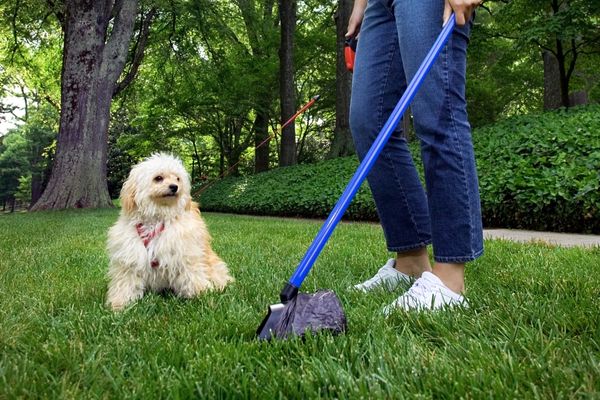
What’s the Normal Bathroom Schedule for Your Dog?
Understanding your dog’s bathroom routine is a key part of being a responsible pet owner. Knowing what’s normal helps you spot potential health issues early and maintain better household cleanliness. According to veterinary health experts, the number of times your dog needs to poop each day depends on several important factors that every owner should monitor:
Your Dog’s Life Stage
Young puppies will need bathroom breaks much more frequently compared to fully grown dogs. Scoop Day’s residential services can be especially helpful during the puppy stage when accidents are common.
Food Intake and Meal Patterns
The connection between feeding schedules and bathroom habits is direct and predictable. Dogs that eat multiple meals throughout the day will naturally need more bathroom breaks. Additionally, feeding your pet foods packed with fiber content will typically lead to more frequent bowel movements and regular bathroom visits. The EPA’s guidelines on pet waste management emphasize proper disposal methods for environmental protection.
Physical Activity and Exercise
Walking your dog consistently helps keep their digestive system working properly. On the flip side, dogs that don’t get enough physical activity often experience sluggish digestion and may struggle with irregular bathroom patterns or decreased bowel movements. Our service locations cover multiple areas to help keep your exercise routes clean.
Most healthy adult dogs typically poop once or twice daily. It’s also perfectly normal for some dogs to go three times each day. However, pay close attention to this important detail: anything beyond four bathroom trips daily may signal a health concern that needs addressing.
Watch carefully if your dog starts pooping excessively or stops having regular bowel movements. These changes often point to digestive problems, ranging from intestinal complications to infections caused by viruses or bacteria that can affect the nervous system. PetMD’s expert articles can help you understand various digestive conditions in dogs.
Regular, healthy bathroom habits play a crucial role in maintaining your dog’s internal wellness and daily comfort. Make it a habit to check both the consistency and timing of your dog’s bowel movements to ensure they’re eliminating waste properly and staying healthy. For commercial properties in Jacksonville, maintaining clean grounds is equally important for health and safety.
What’s the Maximum Time a Dog Should Go Without a Bowel Movement?
This topic can cause some uncertainty among pet owners. Young puppies may need bathroom breaks up to five times daily, while grown dogs often poop just once per day, and occasionally skip a day without concern. But here’s what you need to know: when your dog hasn’t pooped for three days or longer, this indicates a potential medical issue requiring attention. Professional cleanup services in Savannah help monitor yard conditions that might indicate health issues.
Think about times when you’ve had medical procedures and struggled with bathroom issues afterward. Dogs face similar challenges and can develop constipation following surgical procedures. You’ll typically see gradual improvement over several days as they recover. Additionally, certain medications can cause drowsiness in your pet, and these drugs may also slow down various body systems, including digestive functions, leading to reduced intestinal activity. The Spruce Pets offers detailed guides on post-surgery care for dogs.

How to Help Your Constipated Dog
Managing your dog’s constipation is typically straightforward in most situations. The simplest solution is this: “Get your dog moving with a good walk.” That’s right, taking your dog outside for walks or encouraging any type of physical movement will activate their digestive system and help restore their regular bathroom schedule. If you’re in the St. Augustine area, our team can help keep your walking paths clean.
Managing Your Dog’s Diarrhea
Multiple reasons can trigger loose stools in dogs. In some cases, diarrhea happens due to problems with the nervous system. For instance, consider a complex medical condition called “Myasthenia gravis.” With this disorder, the nerves controlling the anal muscles stop sending proper messages to the brain, resulting in loss of bowel control and loose stools in your pet. Other serious nerve-related conditions such as spinal tumors can also lead to diarrhea or cause dogs to have accidents while they’re walking or resting.
Your first step when handling your dog’s diarrhea should involve showing plenty of understanding. Remember that your pet isn’t doing this on purpose and has no control over the situation. Nerve-related problems such as tumors or paralysis will need significant patience and ongoing support for your four-legged companion. Meanwhile, other underlying reasons may prove simpler to treat and resolve successfully. The CDC’s Healthy Pets program provides important information about zoonotic diseases that can cause digestive issues.
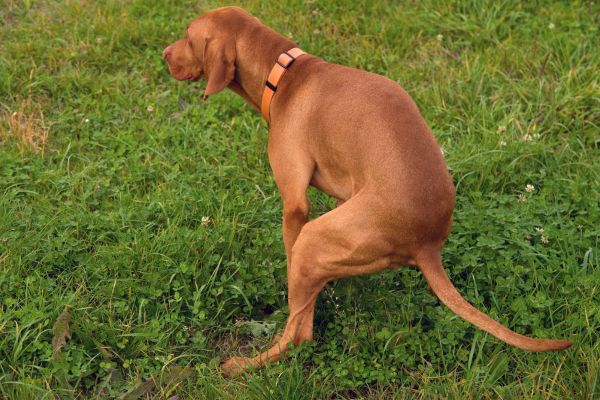
What Causes Changes in Your Dog’s Stool?
Let’s explore what actually makes your dog’s poop change and the specific reasons behind these variations. Florida’s Department of Environmental Protection highlights the importance of proper pet waste disposal to protect our waterways. Our dog waste removal service ensures proper disposal following environmental guidelines.
Loose, Watery Stools
Dealing with watery stools can be unpleasant since you can’t easily pick them up, and sometimes you’ll need to clean the mess completely. To prevent this situation, watch for any dietary changes that could be triggering loose stools. Dogs often struggle with sudden food switches. The solution here is mixing their new food with the old food while monitoring the results. When their stool begins firming up, you can gradually increase the amount of new food over time. Our Beaches location team understands the challenges of maintaining clean outdoor spaces.
Several other factors can trigger loose stools in dogs, such as:
- Drinking contaminated or unsafe water
- Anxiety from environmental shifts, including new family members or another pet joining the household
- Bacterial infections and certain medications
The smart strategy for pet owners is watching and waiting through two to three bowel movements to notice any improvements. After checking the stool’s texture, if you don’t see positive changes, contact your veterinarian right away.
Soft, Mushy Stools When Picking Up
This type of stool usually connects to what your dog has been eating. It’s essential for owners to visit their veterinarian for guidance about adjusting food choices as their pet grows older. Throughout your dog’s different life stages, they’ll require specific foods that meet their changing nutritional needs. Great Pet Care’s nutrition guides offer comprehensive feeding recommendations.
Small, Rock-Hard Stools
Pay close attention when your dog produces hard, pebble-like poop. Firm, dry stools typically indicate your pet isn’t drinking enough water and needs better hydration. Another possible cause involves dry dog food containing excessive fiber content, which creates overly firm stools. Most importantly, when these common reasons don’t match your situation, schedule a veterinary visit immediately. Your pet could have swallowed a foreign item that’s blocking their intestinal tract and causing these hard, difficult bowel movements. For residents in Green Cove Springs, maintaining proper yard hygiene is essential year-round.
Excessive Amounts of Stool
Many commercial dog foods contain excessive amounts of carbohydrates or fiber content. Your dog’s system only takes in the nutrients it requires and eliminates extra carbohydrates through bowel movements. Therefore, examining your pet food’s ingredients becomes crucial to prevent weight gain in your dog caused by low-quality food choices. Check our frequently asked questions for more tips on maintaining a healthy yard environment. Our best-rated scooper service helps manage excessive waste situations effectively.
Foul-Smelling Stool
When your dog eats dry kibble exclusively, consider preparing some home-cooked meals occasionally and notice how the odor changes. Commercial pet foods often prove difficult for dogs to digest properly and get eliminated without complete absorption, resulting in stronger-smelling waste. The National Park Service’s pet guidelines remind us about responsible waste disposal in public spaces.
Mucus-Covered Stool
This situation can be concerning under certain conditions. When you see mucus coating your dog’s poop, it could indicate your pet has intestinal parasites or parvovirus infection. Sometimes, mucus presence might also come from inflammation in the digestive tract.
Dog owners should take a watchful approach by monitoring the next two to three bathroom trips. Often, as your dog continues having bowel movements, the mucus coating may clear up by the third elimination. But if the problem continues beyond this point, contact your veterinarian for professional help. Our Palm Coast service area team sees various stool conditions and understands the importance of regular yard maintenance.
Blood in Your Dog’s Stool
Stay calm when you spot blood, as this can happen occasionally, but careful monitoring will help you decide whether there’s a real problem to address.
To start, your pet may have passed a firm stool that created minor tears and slight bleeding. Additionally, intestinal worms could be present in your dog’s system, causing small cuts inside the digestive tract. For either situation, we suggest watching to see if blood continues appearing after three bowel movements. When bleeding doesn’t stop, bring your pet to the veterinarian without delay. Our professional poop removal services often help identify concerning changes early.
Closer examination by a professional will help identify whether the blood source could be a stomach ulcer or growth inside the intestines. WebMD’s pet health section provides detailed information about when to seek emergency care.
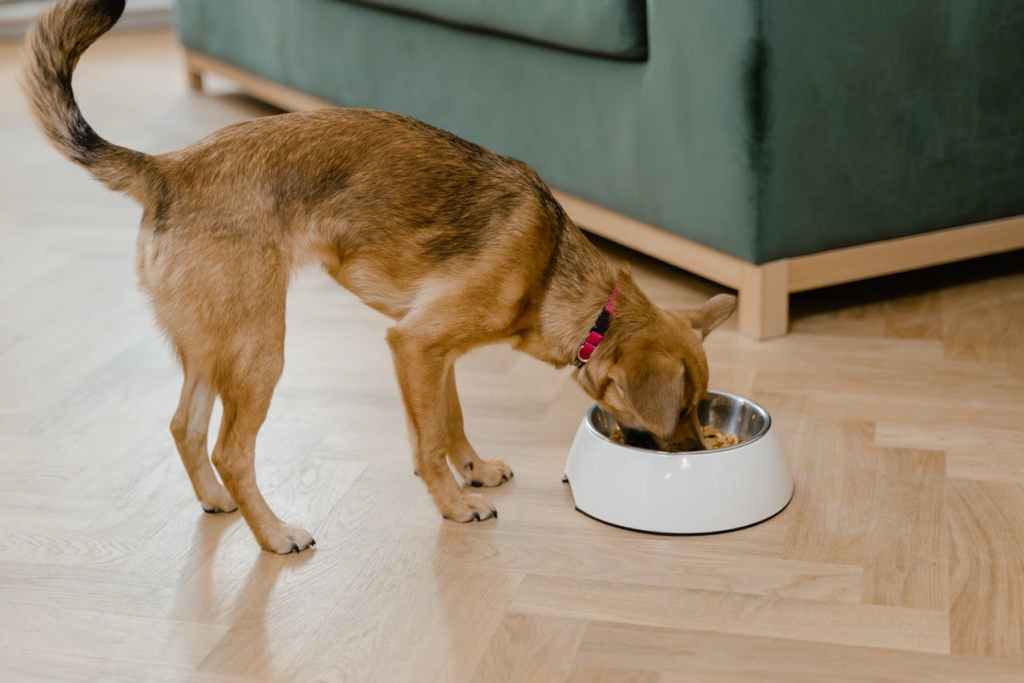
Making Changes to Your Dog’s Diet
Over countless generations, just like people have adapted to different living conditions and enhanced their daily lives, our canine companions have done the same by picking up certain human behaviors and adjusting to the comfortable lifestyle their owners provide.
Similar to humans, dogs eat both meat and plants, which means their meals need a proper balance of animal proteins and plant-based ingredients like vegetables. Research shows that today’s dogs require food plans containing nutrients from plants along with proteins from animal sources.
Here are the essential nutrients your dog’s complete diet needs to contain:
- Proteins
- Carbohydrates
- Fats
- Vitamins
- Minerals
- Water
Your pet’s meals shouldn’t consist of uncooked ingredients exclusively. Actually, as we discussed earlier, the digestive system of today’s dogs works better with cooked meals, which helps prevent harmful bacterial growth.
Apply this knowledge when adjusting what your dog eats, and always talk with your pet’s veterinarian to create a feeding plan that matches your dog’s current life stage. For Orange Park residents, our services help maintain clean yards while you focus on your pet’s health.
Conclusion
Monitoring your dog’s bathroom habits provides valuable insights into their overall health and well-being. By understanding what’s normal for your pet, typically one to three bowel movements daily for adult dogs, you can quickly identify potential problems before they become serious. Pay attention to changes in frequency, consistency, color, and smell, as these indicators often reveal underlying health issues that need addressing.
Remember that diet, exercise, hydration, and age all play crucial roles in your dog’s digestive health. Make gradual dietary changes, ensure adequate water intake, and maintain regular exercise routines to support healthy elimination patterns. When you notice persistent changes lasting beyond three bowel movements, don’t hesitate to contact your veterinarian.
Taking proactive steps to understand and monitor your dog’s bathroom habits helps you provide better care and catch health concerns early. Your attention to these details, combined with regular veterinary checkups, ensures your furry companion maintains optimal digestive health throughout their life. Whether you’re in Savannah, GA or throughout Northeast Florida, Scoop Day is here to help maintain clean, healthy outdoor spaces for you and your pets.
Frequently Asked Questions
How can I tell when my dog needs to poop?
Watch for signs like sniffing around intensely, walking in circles, squatting, whining at the door, or becoming restless. Most dogs develop predictable patterns, typically needing to go 30 minutes after meals or immediately upon waking up.
Should I worry if my dog’s poop schedule changes during travel?
Travel stress commonly disrupts bathroom routines. Give your dog 2-3 days to adjust to new environments. Maintain regular feeding times and walk schedules to help restore normal patterns. Contact a vet if irregularities persist beyond a week.
Can weather affect my dog’s pooping habits?
Yes, extreme temperatures can impact bathroom frequency. Cold weather may cause dogs to hold it longer, while hot weather combined with increased water intake might increase frequency. Always ensure comfortable bathroom conditions during harsh weather.
Is it normal for senior dogs to poop less frequently?
Senior dogs often experience slower metabolism and reduced activity levels, leading to less frequent bowel movements. Once daily can be normal for older dogs. However, discuss any significant changes with your vet to rule out health issues.
What should I do if my dog eats grass before pooping?
Occasional grass eating before elimination is normal behavior that aids digestion. However, excessive grass consumption might indicate stomach upset or dietary deficiencies. Monitor the frequency and consult your vet if it becomes a daily occurrence.
