
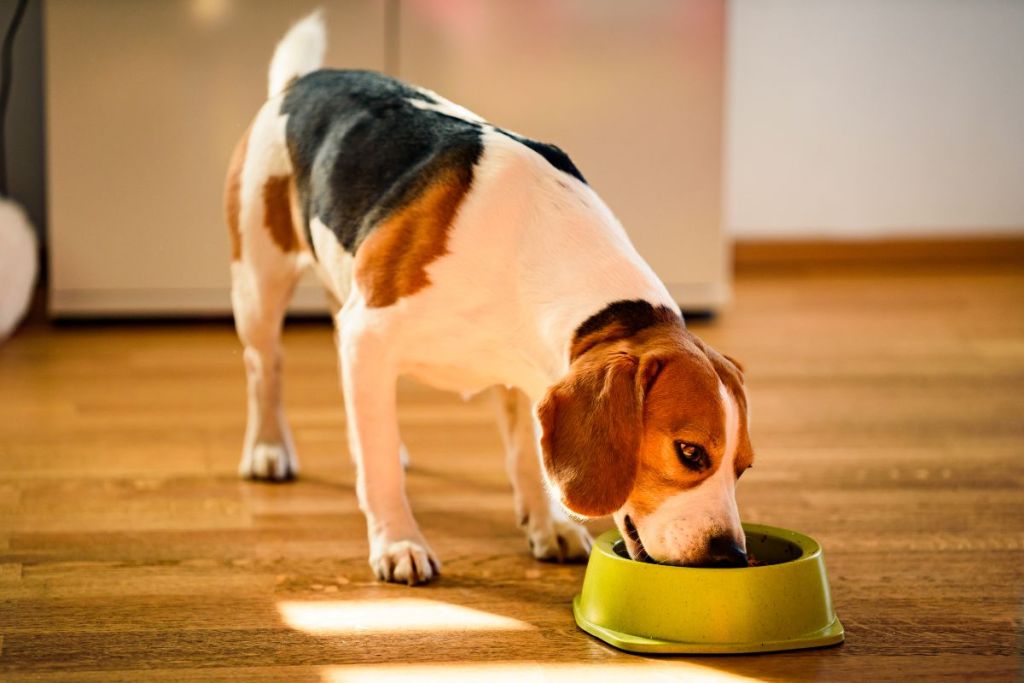
Dog food quality directly determines poop consistency, with high-quality foods producing firm, well-formed waste while low-quality foods cause loose, frequent bowel movements. Premium dog foods containing named meat proteins (chicken, beef, lamb), balanced fiber content, and natural preservatives result in smaller, firmer stools that are easier to clean up. Poor-quality foods with fillers like corn meal, artificial additives, and meat by-products lead to digestive issues, larger waste volume, and inconsistent bathroom habits that can make professional poop scooping services a necessity for many pet owners.
Key indicators of quality dog food include: specific named protein sources as first ingredients, natural preservatives (Vitamin E, Vitamin C), appropriate fiber balance from whole vegetables and fruits, and absence of artificial colors, flavors, and chemical preservatives like BHA, BHT, and ethoxyquin. Dogs typically show improved waste quality within 3-7 days of switching to better food, with healthy poop appearing chocolate brown, firm, and well-formed according to veterinary nutrition experts.
Common problematic ingredients that negatively impact dog waste include corn gluten meal, wheat middlings, propylene glycol, excessive sodium, added sugars, and unspecified “meat meal” or “animal digest.” These ingredients cause digestive stress, allergic reactions, and poor nutrient absorption, resulting in loose stools, increased waste volume, and irregular bowel movements. Consulting with a veterinarian helps identify the best diet for individual dogs based on age, size, activity level, and specific health conditions.
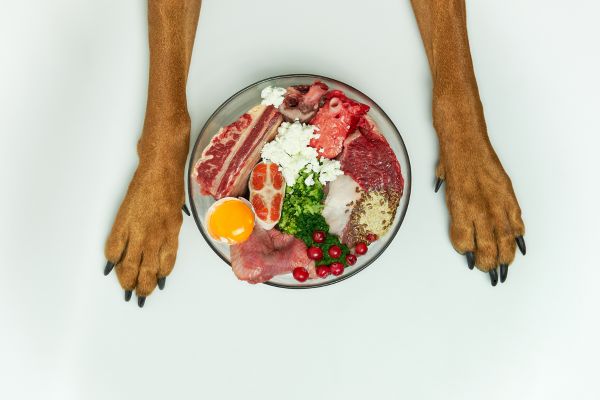
Key Factors That Determine Your Dog’s Waste Quality
Your dog’s waste tells an important story about their health and diet. Many pet owners don’t realize that what goes into their dog’s bowl directly affects what comes out during bathroom breaks. The texture, color, size, and frequency of your pet’s waste all provide valuable clues about their digestive health. Understanding these connections helps you make better food choices for your furry friend, and when it comes to cleanup, services like residential dog waste removal in Jacksonville can make life a lot easier.
Several key elements work together to shape your dog’s waste quality. These factors range from the basic ingredients in their food to how often you feed them. High quality nutrition typically produces firm, well formed waste that’s easy to clean up. Poor quality food often leads to loose, messy, or irregular bowel movements. By learning about these important factors, you can improve your pet’s digestive health and make cleanup easier for yourself.
Here’s how food quality can change your dog’s waste:
Better Nutrient Processing
Quality pet foods contain balanced essential nutrients that digest easily in your dog’s system. When dogs get proper nutrition from their meals, they experience healthier digestion overall. This improved processing leads to firmer, more consistent waste that’s easier to manage, whether you handle cleanup yourself or use commercial scooping services.
- Balanced nutrients absorb more efficiently in the digestive tract
- Essential vitamins and minerals support optimal gut function
- High quality ingredients reduce strain on the digestive system
- Better absorption means less waste volume and firmer consistency
- Premium foods contain bioavailable nutrients that dogs can actually use
Quality ingredients also reduce digestive stress and promote better overall gut health. Dogs fed nutritious diets typically show improved energy levels and healthier coats. The digestive system works more efficiently when given proper fuel. Better nutrient processing creates a positive cycle of improved health and waste quality that the ASPCA recommends for optimal pet wellness.
Fillers and Extra Ingredients
Cheaper pet foods often include more fillers and artificial additives that provide little value. These ingredients include artificial colors, flavors, and preservatives that are hard to digest. Poor digestion from these additives leads to loose, inconsistent waste throughout the day that can make yard cleanup challenging for homeowners in Jacksonville and surrounding areas.
- Corn meal and wheat middlings act as cheap filler ingredients
- Artificial colors serve no nutritional purpose for your pet
- Chemical preservatives can irritate sensitive digestive systems
- By-products contain lower quality protein sources
- Excessive carbohydrates from fillers cause digestive stress
Dogs struggle to process these unnecessary ingredients, causing digestive upset and health problems. Low quality foods often contain more waste producing ingredients than nutrients. The digestive system works harder to process artificial additives and fillers. This extra work results in larger, looser, and more frequent bowel movements.
Protein Quality
The protein source in your pet’s food greatly affects their waste production. High quality animal proteins are easier to digest and provide essential amino acids. These proteins help create firmer, well formed waste that’s easier to clean up according to pet nutrition specialists.
- Named meat sources like chicken and beef digest more completely
- Animal proteins provide complete amino acid profiles for dogs
- Plant based proteins are harder for dogs to process efficiently
- Quality proteins result in smaller waste volume overall
- Fresh meat sources contain fewer processing chemicals
Poor protein sources can lead to softer, messier bathroom visits for your pet. Low-grade meat meals and by-products create more digestive waste. Dogs evolved to process animal proteins more efficiently than plant alternatives. Better protein quality means your dog absorbs more nutrition and produces less waste, something every owner appreciates, especially when dealing with cleanup in St. Augustine or beyond.
Fiber Balance
Proper fiber content promotes healthy bowel movements in dogs throughout their daily routine. Quality pet foods balance soluble and insoluble fiber to support good digestion. This fiber balance helps regulate bathroom schedules and creates well formed waste consistently.
- Soluble fiber helps bind waste and create firm consistency
- Insoluble fiber adds bulk and promotes regular bowel movements
- Too much fiber can cause loose or frequent bathroom trips
- Too little fiber may lead to constipation problems
- Natural fiber sources work better than synthetic alternatives
Too much or too little fiber can cause digestive problems for your pet. The right fiber balance acts like a natural regulator for your dog’s system. Quality foods include fiber from vegetables, fruits, and whole grains naturally. Proper fiber content makes waste easier to pick up and dispose of according to veterinary health experts.
Food Reactions and Allergies
Some dogs react poorly to ingredients in lower quality foods throughout their lives. These reactions can cause stomach upset, loose waste, or constipation in sensitive pets. Common problem ingredients include artificial additives, low quality proteins, and excessive fillers that may require professional cleanup services at beach communities.
- Corn, wheat, and soy are frequent allergens for many dogs
- Food dyes can trigger allergic reactions in sensitive animals
- Chemical preservatives may cause digestive inflammation
- Unknown meat sources make allergy identification difficult
- Symptoms often include loose stool, vomiting, or skin irritation
Identifying and avoiding trigger ingredients improves waste consistency significantly over time. Food allergies can develop at any age, even with familiar ingredients. Elimination diets help identify specific problem ingredients causing digestive issues. Working with your vet helps pinpoint allergies and find suitable alternatives.
Moisture Levels
Wet canned food contains more water than dry kibble in every serving. Higher moisture content in meals typically results in larger, softer waste production. This is normal and not necessarily a problem for most healthy dogs throughout Green Cove Springs and other communities.
- Canned food contains 70-80% water compared to kibble’s 10%
- Higher moisture increases waste volume but aids digestion
- Wet food helps dogs stay hydrated throughout the day
- Mixed feeding combines benefits of both wet and dry food
- Moisture content affects waste texture but not overall health
However, sudden changes in food moisture can temporarily affect waste consistency patterns. Dogs need time to adjust their digestive systems to new moisture levels. Gradual transitions between wet and dry foods prevent digestive upset. Most dogs adapt quickly to different moisture levels in their diet as noted by pet care professionals.
Feeding Habits and Portions
Overfeeding or irregular meal times also affect your dog’s waste production and consistency. Following recommended portion sizes helps maintain healthy digestion and consistent bathroom habits. Consistent feeding schedules support regular bowel movements and better waste quality overall.
- Free feeding can lead to overeating and digestive problems
- Regular meal times help establish predictable bathroom schedules
- Portion control prevents obesity and related digestive issues
- Multiple small meals digest better than one large feeding
- Measuring food ensures proper nutrition and waste consistency
Consistent feeding schedules support regular bowel movements and better waste quality for pets. Dogs thrive on routine, including their eating and bathroom habits. Proper portions prevent digestive overload and maintain healthy body weight. Regular feeding times make house training and waste cleanup more predictable for families in Palm Coast and beyond.
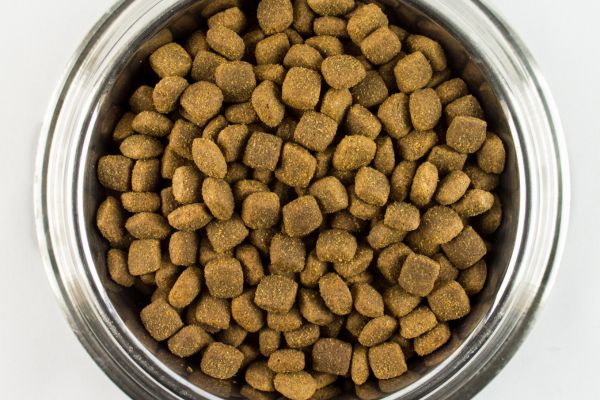
What to Avoid When Choosing Your Dog’s Food
Reading ingredient labels carefully helps ensure your pet gets proper nutrition. Smart food choices protect your dog from harmful or unnecessary ingredients. Understanding what to avoid makes shopping for quality pet food much easier. Here are ingredients you should watch out for in your dog’s food:
Low Quality Meat Parts
These include meat by-products or poultry by-products from animals used in pet food. These are lower grade parts not used for human food consumption typically. While some provide nutrition, others lack essential nutrients your dog needs for health according to National Park Service guidelines on pet care.
- By-products include organs, bones, and tissue scraps from processing
- Quality varies widely between different manufacturers and batches
- May contain beaks, feet, and other non-nutritious animal parts
- Processing methods can reduce nutritional value significantly
- Source animals may be diseased or unfit for consumption
These ingredients often come from unclear sources and vary in quality consistently. Many pet food companies use vague terms to hide poor ingredient sources. The nutritional content can’t be guaranteed with these ambiguous meat sources. Always look for specific named meat sources like chicken or beef instead.
Chemical Preservatives
Watch for BHA, BHT, ethoxyquin, and propyl gallate on ingredient lists carefully. These synthetic preservatives have connections to various health concerns in pets. Many studies show these chemicals may cause long term health problems over time that can affect waste quality. For tips on managing pet waste safely, you can also check out this local dog poop scooper service in Orange Park, FL.
- BHA and BHT are banned in human food in many countries
- Ethoxyquin was originally developed as a rubber stabilizing agent
- These chemicals can accumulate in your pet’s body tissue
- May cause liver damage, kidney problems, and cancer risks
- Linked to allergic reactions and skin problems in sensitive dogs
Natural preservation methods are much safer for your furry friend’s long term health. Vitamin E and vitamin C work effectively as natural preservatives instead. These natural options don’t carry the health risks of synthetic chemicals. Your dog’s health is worth choosing foods with natural preservation methods as recommended by USDA Animal Care.
Fake Colors and Flavors
These additives offer zero nutritional value to your pet’s diet or health needs. They may link to allergies and other health problems in sensitive dogs. Dogs don’t care about food color, so these ingredients serve no purpose.
- Red dye 40 and yellow 6 are common artificial colors
- These chemicals exist only to appeal to human pet owners
- May trigger hyperactivity and behavioral problems in some dogs
- Artificial flavors mask the taste of poor quality ingredients
- Can cause digestive upset, vomiting, and diarrhea in sensitive pets
Artificial additives can trigger digestive upset in many pets throughout their lives. These unnecessary chemicals add cost without providing any health benefits. Dogs judge food by smell and taste, not visual appearance. Choose foods that rely on natural ingredients for flavor and appeal instead, a practice supported by environmental protection standards.
Common Allergen Grains
Corn, wheat, and soy are frequent allergens for many dogs across breeds. These ingredients may cause digestive problems in sensitive individuals over time. Some dogs develop skin issues or stomach upset from these grains regularly in communities from Savannah to Jacksonville.
- Corn is difficult for dogs to digest properly
- Wheat gluten can cause inflammatory responses in sensitive dogs
- Soy contains compounds that may interfere with nutrient absorption
- These grains are often genetically modified with unknown health effects
- Symptoms include itchy skin, ear infections, and digestive problems
Avoiding these ingredients helps prevent allergic reactions and digestive troubles significantly. Many dogs show improvement when these grains are removed from their diet. Grain-free options use sweet potatoes, peas, and other alternatives instead. Work with your vet to identify if grain allergies affect your pet.
Cheap Filler Ingredients
Corn gluten meal, wheat middlings, and rice bran are common fillers used. These ingredients don’t contribute to your dog’s optimal nutrition needs or health. Fillers take up space without providing meaningful nutritional value to your pet.
- Corn gluten meal is a waste product from corn processing
- Wheat middlings are the dusty residue from flour production
- Rice bran can become rancid quickly and lose nutritional value
- These ingredients are cheaper than quality protein sources
- May cause digestive problems and loose stools in many dogs
Quality foods focus on nutrient dense ingredients instead of fillers for better health. Premium pet foods use whole meats, vegetables, and fruits as primary ingredients. Filler ingredients dilute the nutritional density of the overall food formula. Your dog deserves food that provides real nutritional value for their money as emphasized by CDC pet health guidelines.
Mystery Fat and Meat Sources
Rendered fat or meat meals from unclear sources are concerned for quality. These ambiguous ingredients can be lower quality and contain unwanted additives. Unknown meat sources make it impossible to track food quality or safety.
- “Meat meal” doesn’t specify which animals were used
- Rendering processes can include diseased or expired animal tissue
- May contain restaurant grease, euthanized animals, or roadkill
- Quality control is difficult with unspecified ingredient sources
- Can carry bacteria, toxins, and other harmful contaminants
Specific, named protein sources are always better choices for pets’ health and safety. Look for “chicken meal” or “beef meal” instead of generic terms. Named sources allow you to track potential allergens and quality issues. Reputable manufacturers proudly list their specific ingredient sources on labels to meet Florida environmental standards.
Too Much Salt
High sodium levels can cause health problems in some dogs over time. Excessive salt may lead to kidney issues or high blood pressure problems. Dogs need much less sodium than humans in their daily diet requirements.
- Adult dogs need only 0.3% sodium in their total diet
- Excess sodium can strain kidneys and cardiovascular system
- May cause increased thirst and excessive urination
- Can worsen existing heart or kidney conditions significantly
- Often added to make poor quality food more appealing
Always check sodium content when comparing different food brands for your pet. Many commercial dog foods contain far more salt than necessary. Senior dogs and those with health conditions need especially low sodium. Fresh, whole food ingredients naturally contain appropriate sodium levels for dogs. For more information about proper pet care, contact us for local resources.
Added Sugars
Unnecessary sugars may contribute to obesity and dental problems in pets regularly. Dogs don’t need added sweeteners in their regular meals for energy. Sugar can cause energy spikes and crashes in your pet throughout the day.
- Common sugar sources include corn syrup, cane sugar, and molasses
- Excess sugar leads to weight gain and diabetes risk
- Can cause tooth decay and gum disease in dogs
- May contribute to yeast infections and skin problems
- Creates addiction-like cravings for sweet foods in pets
Natural ingredients provide better, more stable energy for active dogs throughout their day. Fruits and vegetables contain natural sugars with beneficial fiber and nutrients. Complex carbohydrates from whole grains provide sustained energy without crashes. Your dog’s body functions best on natural, unprocessed food sources.
Propylene Glycol Preservative
This preservative can harm pets when consumed in large amounts regularly over time. It may lead to serious gastrointestinal issues and other health problems. Many countries have banned this ingredient in pet foods for safety.
- Used as antifreeze in automotive applications originally
- Can cause central nervous system depression in dogs
- May lead to liver damage with long term consumption
- Banned in cat food due to severe health risks
- Often hidden under “natural flavors” on ingredient labels
Natural preservation methods are much safer alternatives for your pet’s long term health. Vitamin E, vitamin C, and rosemary extract work effectively as preservatives. These natural options don’t carry the toxic risks of propylene glycol. Choose foods that prioritize your dog’s health over extended shelf life. Check our blogs for more pet care tips.
Processed Flavor Agents
Animal digest is a processed flavoring from unspecified animal parts and tissues. This ingredient may not appeal to owners concerned about food sources. The processing methods and animal sources remain unclear to consumers buying products.
- Made by chemically breaking down animal tissue with acids
- Source animals and parts are not specified or regulated
- Processing destroys most nutritional value in the original ingredients
- Often sprayed on dry kibble to make it more appealing
- May contain harmful bacteria or toxins from processing methods
Quality foods use natural flavors from known protein sources instead of chemicals. Fresh meats, fish, and poultry provide natural flavors dogs love instinctively. Whole food ingredients don’t need artificial enhancement to taste good. Your dog deserves food that tastes good naturally without chemical manipulation.
What to Look for Instead
Choose dog food containing high quality, whole food ingredients with specific sources. Look for named meat sources like chicken, beef, lamb, or fish. Vegetables, fruits, and whole grains provide added nutrients and healthy fiber. The first ingredients should always be whole protein sources, not fillers.
Find dog food with natural preservatives like Vitamin E or Vitamin C. These mixed tocopherols and ascorbic acid work safely to preserve freshness. Grain free options work well for dogs with grain sensitivities. Always choose balanced and nutritionally complete formulas for your pet’s needs. Learn more about our services and how proper nutrition relates to waste management.
Getting Professional Guidance
Always consult your veterinarian to determine the best diet for your dog. Dietary requirements change based on age, size, activity level, and health conditions. Professional guidance ensures your pet gets proper nutrition for their situation. Regular vet checkups help monitor your dog’s nutritional health over time.
Watch for changes in your dog’s poop, like consistently loose or watery stools. These changes could signal that their current diet isn’t working well. Consult your veterinarian to evaluate your dog’s overall health when problems occur. Dietary changes may be necessary to ensure proper nutrition and digestion. Scoopday serves multiple locations where proper pet nutrition is essential for community health.
Conclusion
Understanding how dog food quality impacts your pet’s waste empowers you to make better choices. Quality ingredients lead to firmer, more consistent dog poop that’s easier to manage. When you invest in premium pet food with whole proteins and natural ingredients, your dog’s digestive health improves significantly. Avoiding fillers, artificial additives, and low quality meat sources prevents many common digestive problems.
Your dog’s waste serves as a daily health report card for their diet. Pay attention to changes in consistency, frequency, or appearance as these signal potential dietary issues. Work closely with your veterinarian to select the best food for your pet’s specific needs. Remember that proper nutrition creates a foundation for your dog’s overall health, energy levels, and quality of life throughout their years.
FAQs
How quickly will I see changes in my dog’s poop after switching foods?
Most dogs show noticeable changes in their waste within 3 to 7 days of switching foods. However, it can take up to 2 weeks for complete digestive adjustment to occur.
What should healthy dog poop look like?
Healthy dog poop should be firm, well formed, and chocolate brown in color. It should hold its shape when picked up and not leave excessive residue behind.
Can switching dog food too quickly cause digestive problems?
Yes, sudden food changes can cause stomach upset, diarrhea, and digestive stress in dogs. Always transition gradually over 7 to 10 days by mixing old and new foods.
How often should my dog have bowel movements?
Most healthy adult dogs have 1 to 2 bowel movements per day. Puppies and senior dogs may go more frequently due to their different digestive needs.
When should I contact my vet about my dog’s waste changes?
Contact your vet if you notice blood, persistent diarrhea, or constipation lasting more than 24 hours. Also call if your dog shows signs of pain during bathroom visits or stops eating.
