

Pet waste cleanup prevents serious health risks and environmental contamination that affects entire communities. Dog feces contain harmful bacteria like E. coli and salmonella, plus parasites that threaten both human and animal health when left unattended. Abandoned waste also introduces excessive nitrogen and phosphorus into water systems, causing toxic algae blooms and making waterways unsafe. Responsible pet owners must immediately remove waste using proper disposal methods including trash bins, toilet flushing (where permitted), or professional composting facilities. Most municipalities require waste removal and impose fines for violations, making cleanup both a legal and ethical responsibility. Learning effective waste management techniques protects your neighborhood relationships while safeguarding local ecosystems from dangerous contamination. Simple preparation like carrying disposal bags and understanding your pet’s bathroom schedule makes this essential task manageable for every dog owner.
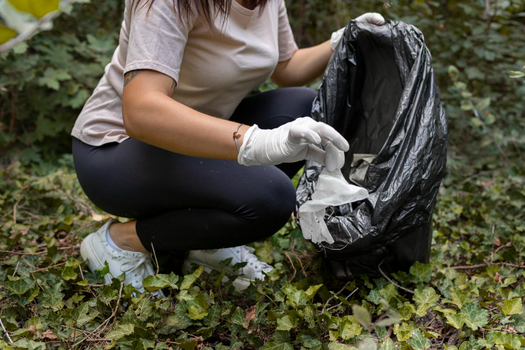
Essential Reasons for Dog Poop Cleanup
Neglecting cleanup duties creates unnecessary tension and conflicts with surrounding community members. Nobody enjoys encountering unpleasant waste while walking through neighborhoods or public areas. Pet droppings produce offensive odors and create unsightly conditions in shared spaces. Dogs with eating habits involving waste find these deposits particularly appealing and problematic. Basic etiquette demands immediate removal and proper disposal of all pet waste materials. This responsibility extends beyond urban areas to include hiking trails and camping locations. Proper cleanup demonstrates respect for others who share these recreational and living spaces. Professional dog poop cleanup services in Savannah help busy pet owners maintain community standards consistently. Neighborly relationships suffer when pet owners ignore their cleanup responsibilities consistently. Public spaces become less enjoyable for families and children when waste remains scattered.
Understanding Pet Owner Responsibilities
Responsible pet ownership includes acknowledging the impact your animal has on shared environments. Community standards expect immediate waste removal regardless of location or circumstances encountered. Park visitors and neighborhood residents deserve clean, safe spaces for recreation and daily activities. Pet owners who consistently clean up after their animals earn respect from community. Ignoring cleanup duties reflects poorly on all pet owners within the neighborhood. Local regulations often impose fines and penalties for abandoned pet waste violations. Understanding these social expectations helps maintain positive relationships with neighbors and community members.
Common Misconceptions About Pet Waste
Many pet owners mistakenly believe waste serves as beneficial lawn fertilization for gardens. Others assume natural animal behavior justifies leaving domestic pet waste in outdoor areas. Both assumptions prove incorrect and potentially harmful to environmental health and safety. Pet waste contains dangerous contamination sources regardless of urban or wilderness location settings. Wild animal waste differs significantly from domestic pet waste in composition and pathogen levels. According to pet health experts, domestic pet diets create waste products that harm rather than help vegetation. Natural fertilizers require specific processing and composting to become safe for plant growth. Understanding these differences helps pet owners make better disposal decisions for environmental protection.
Environmental Contamination Risks
Pet waste poses serious environmental threats when left unattended in outdoor locations. Rainfall naturally washes abandoned waste materials away from their original ground locations. Natural water systems including streams, rivers, and lakes receive this contaminated runoff water. Urban storm drainage systems collect tainted water that eventually reaches local waterways. Understanding these environmental impacts helps motivate consistent and responsible waste disposal practices. The Veterinary Sustainability Alliance emphasizes that contaminated water affects wildlife populations and drinking water sources throughout entire watersheds. Bacterial contamination spreads rapidly through interconnected water systems and underground aquifers. Environmental protection requires every pet owner to participate in proper waste management.
Building Community Awareness
Educational efforts help spread awareness about proper pet waste disposal throughout neighborhoods. Community programs can provide resources and information about environmental impacts of abandoned waste. Local pet stores and veterinary clinics serve as excellent distribution points for educational materials. Pet care organizations recommend neighborhood associations benefit from organizing cleanup events and awareness campaigns about responsible ownership. Social media platforms help spread information about proper disposal methods and community expectations. Positive reinforcement encourages consistent behavior change better than criticism and complaints alone.

Harmful Nutrients and Disease Risks in Pet Waste
Pet waste entering water systems creates serious environmental problems for aquatic ecosystems. Dog feces naturally contains high levels of nitrogen and phosphorus nutrients in concentrated amounts. Domestic pets across the country generate massive quantities of waste materials annually nationwide. These excessive nutrient levels overwhelm natural water systems and disrupt ecological balance significantly. Nutrient imbalances trigger rapid algae growth and invasive weed development in waterways. Contaminated water becomes murky and unsafe for both wildlife and human recreational activities.
Proper waste removal also blocks harmful disease-causing organisms from reaching water supplies effectively. Pet droppings may harbor dangerous parasites including intestinal worms and other infectious organisms. Pet health professionals warn that bacterial contamination includes serious health threats that affect both animals and humans alike. Even waste from apparently healthy pets can carry hidden contamination and disease risks. These pathogens pose direct threats to public health when they enter drinking water. Everyone benefits when pet owners consistently remove and dispose of waste materials properly.

Safe Methods for Pet Waste Disposal
Pet owners have several practical options available for responsible waste disposal and management. Each method offers distinct advantages and limitations depending on your specific situation and location. Professional pooper scooper services can handle disposal requirements for busy households. Choosing the right disposal approach requires understanding local regulations and environmental considerations carefully.
Burying Pet Waste in Outdoor Settings
Burying waste represents one traditional method that works best in wilderness camping situations. This approach proves inconvenient in urban areas and may still contaminate surrounding soil. Proper burial requires digging holes measuring six to eight inches in total depth. The burial site must remain at least 200 feet away from any water sources. This method helps prevent immediate contamination while allowing natural decomposition processes to occur. Remote hiking areas and camping locations often make burial the most practical option. Dense urban neighborhoods typically lack suitable burial spaces for safe waste disposal. Animal behavior experts note that soil conditions and local wildlife populations can also influence burial method effectiveness.
Toilet Flushing for Waste Disposal
Toilet flushing offers another disposal option depending on your local wastewater treatment systems. This method works effectively when waste goes through professional sewage treatment processing facilities. Septic system users should avoid flushing waste to prevent groundwater contamination and system damage. Always verify with local authorities whether flushing represents an acceptable disposal method in your area. Remove waste from collection bags before flushing and dispose of bags in regular garbage. Never flush cat waste or any non-waste materials down toilet systems under any circumstances. Municipal sewage systems typically handle pet waste better than private septic systems. Home septic tanks may become overwhelmed by additional organic waste materials and pathogens.
Convenient Trash Disposal Methods
Trash disposal provides the most convenient and widely accessible option for most pet owners. This method effectively balances environmental protection concerns with practical everyday convenience and accessibility. Many public parks provide designated waste receptacles specifically designed for pet waste disposal. Pet owners can also carry sealed waste bags home for proper garbage disposal. Never abandon filled waste bags on trails, sidewalks, or hanging from trees and bushes. Abandoned bags create additional environmental problems and shift cleanup responsibility to other community members. Residential dog poop scooper services in Jacksonville offer regular collection for homeowners who prefer professional handling. Regular garbage collection ensures waste reaches proper landfill facilities for safe processing. Sealed waste bags prevent odors and contamination during transport to disposal locations.
Choosing the Right Disposal Method
Location and circumstances determine which disposal method works best for individual situations. Urban pet owners typically find trash disposal most practical for daily walks and activities. Wilderness adventurers may need to rely on burial methods when hiking remote trails. Municipal regulations often dictate which disposal methods remain acceptable in specific areas. Consider environmental impact alongside convenience when selecting your preferred waste disposal approach. Dog poop scooper services in Jacksonville provide expertise in local regulations and best practices. Consistent application of proper disposal methods protects community health and environmental quality effectively.

Environmental Impact of Plastic Waste Bags
Plastic collection bags offer excellent hand protection and effective odor containment during waste pickup. These bags function reliably regardless of weather conditions or waste consistency variations encountered outdoors. However, plastic bags contribute significantly to widespread environmental pollution and microplastic contamination problems. Environmental research organizations indicate that hundreds of billions of plastic waste bags enter landfills annually. This massive volume represents millions of tons of additional plastic waste entering our environment.
Several alternatives exist to reduce plastic bag usage while maintaining effective waste collection capabilities. Repurposing bread bags, produce bags, or other household plastic bags reduces new plastic consumption. Newspaper and paper bags work well in dry conditions but fail during rainfall. Paper options also prove inadequate when dealing with loose or liquid waste consistency issues. Compostable bags offer improved environmental benefits but require proper composting facilities for effective breakdown. Standard landfill conditions cannot adequately decompose these specialized materials as intended by manufacturers. Even biodegradable options may not break down quickly or in truly environmentally friendly ways. These alternative bags still represent greener choices compared to conventional plastic waste bags.

Eco-Friendly Composting Solutions for Pet Waste
Composting represents the most environmentally responsible approach to pet waste disposal and management. Home composting systems may struggle to eliminate dangerous pathogens present in domestic pet waste. Proper composting requires specialized equipment and strict adherence to established safety protocols and guidelines. Agricultural authorities provide detailed instructions for safe pet waste composting procedures and best practices. Home composters should never apply resulting fertilizer to food gardens due to potential contamination. Pet health networks emphasize that remaining pathogens could contaminate fruits, vegetables, and other edible crops grown for consumption.
Industrial composting facilities currently offer superior pathogen elimination capabilities compared to home composting systems. Many municipalities now include pet waste in city-wide organic composting programs and collection services. These programs accept waste in designated green bins alongside other organic materials for processing. Some facilities even accept certain types of waste collection bags within their composting programs. Contact local government offices to determine whether municipal composting programs accept pet waste. Best pooper scooper services in Savannah often provide guidance on municipal composting options. These professional facilities use controlled processes that effectively eliminate pathogens while creating safe compost.
Essential Hygiene Practices for Pet Waste Cleanup
Proper hygiene protection remains crucial regardless of your chosen waste disposal method or location. Always keep your hands properly covered using collection bags or protective rubber gloves during cleanup. Thoroughly wash your hands with soap and warm water immediately after completing disposal tasks. Specialized scooper devices and garden tools like rakes provide alternative collection methods for owners. Never use the same gardening equipment for food gardens if you plan to consume produce. Pet care specialists warn that cross-contamination between waste cleanup tools and food preparation areas creates serious health risks.
Being Prepared for Waste Collection Situations
Successful waste management requires having collection materials readily available during all outdoor pet activities. Keep disposal bags in your pockets or invest in specialized carrying pouches for convenience. Dog treat pouches and belt packs can hold bags alongside training treats and other essentials. Clip-on bag holders attach conveniently to belts, purses, or directly onto your pet’s leash. Dog waste pickup services recommend avoiding hard plastic holders on leashes as they may frighten pets when dropped. The banging noise from plastic holders can create negative associations with walks and outdoor time. Pet owners in coastal areas like The Beaches face unique challenges with sand and wind conditions requiring extra preparation.
Understanding Your Pet’s Natural Bathroom Schedule
Learning your pet’s elimination patterns helps you anticipate when cleanup will be necessary. Most pets eliminate waste once or twice daily following their regular feeding schedules. This predictable timing allows owners to prepare mentally and physically for waste collection duties. Teaching bathroom cues helps establish designated elimination areas and timing for your pet. Pet behavior resources suggest that consistent training creates reliable routines that make waste management more predictable and manageable. Ready preparation ensures you can handle cleanup responsibilities effectively in any outdoor situation. Regional services like those in St. Augustine understand local pet behavior patterns and seasonal variations.
Takeaways
Responsible pet waste management protects both community health and environmental sustainability through consistent daily practices. Every pet owner plays a vital role in maintaining clean, safe spaces for everyone to enjoy. Commercial dog poop scooper services help businesses maintain professional standards in high-traffic areas where pet waste accumulates quickly.
Proper disposal methods combined with essential hygiene practices create lasting positive impacts on local ecosystems. Taking action today ensures healthier communities and cleaner environments for future generations of pets and people alike. Whether you’re in suburban areas like Green Cove Springs, coastal communities like Palm Coast, or urban neighborhoods like Orange Park, professional cleaning services provide convenient solutions for maintaining responsible ownership standards. ScoopDay offers comprehensive waste management solutions that help pet owners fulfill their environmental and social responsibilities effectively.
Frequently Asked Questions
What should I do if my dog has diarrhea during walks?
Carry extra bags and paper towels for cleanup. Pour water over the area to dilute remaining residue and prevent staining surfaces.
How can I train my dog to go potty in designated areas only?
Use consistent verbal cues, reward successful elimination in target spots, and redirect your dog when they approach inappropriate areas consistently.
Is it safe to clean up dog waste when I’m pregnant?
Pet family guides recommend wearing gloves always and washing hands thoroughly afterward. Consider asking family members to handle cleanup duties during your pregnancy period.
What happens if I accidentally step in dog waste while walking?
Remove excess material with sticks or grass, then disinfect shoe soles with bleach solution or antibacterial wipes before entering buildings.
How do weather conditions affect different waste disposal methods?
Rain makes paper bags unusable and complicates burial methods. Frozen ground prevents digging while hot weather accelerates decomposition and odors.
