
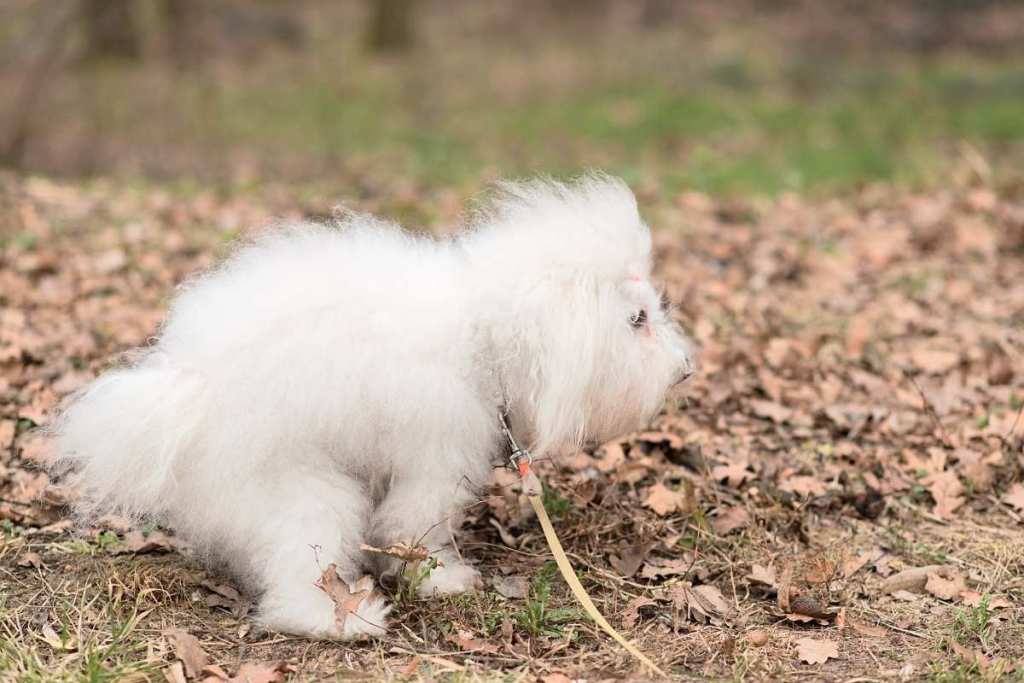
Adult dogs typically poop 1-3 times per day, puppies poop up to 5 times daily, and senior dogs may only poop once per day. Understanding your dog’s normal bowel movement frequency is essential for monitoring their health, and professional services like Scoop Day can help maintain a clean environment for your pet. A dog’s poop schedule depends on six key factors: age, diet, health conditions, meal portions, medications, and stress levels. Most dogs need to eliminate waste 30-60 minutes after eating, making post-meal timing predictable for pet owners.
Normal Dog Poop Frequency by Age:
- Puppies (under 1 year): 3-5 times per day
- Adult dogs (1-7 years): 1-3 times per day
- Senior dogs (7+ years): 1-2 times per day
Changes in your dog’s typical poop patterns can indicate health issues. Contact your veterinarian if your dog experiences diarrhea for more than 2 days, hasn’t pooped in 24 hours, or produces stool that isn’t brown in color. Regular monitoring of bowel movements helps catch digestive problems early and ensures your pet maintains optimal health, as emphasized by pet care experts at ASPCA.
Understanding Normal Dog Poop Frequency for Better Health
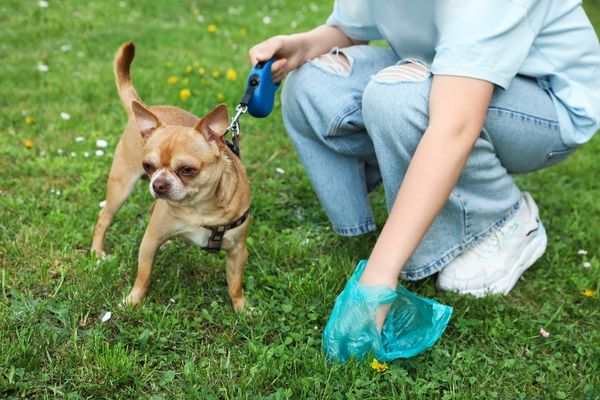
Monitoring your dog poop health starts with knowing normal bathroom habits. Adult dogs typically poop one to three times daily. Puppies need more frequent bathroom breaks, often pooping up to five times per day. Senior dogs may only need to poop once daily due to slower digestion. Your dog’s individual poop schedule depends on several key factors. Diet frequency, meal size, fiber content, and overall health all influence bathroom timing. Consistent dog poop patterns indicate good digestive health and proper nutrition absorption.
For homeowners dealing with multiple pets or frequent cleanup needs, residential dog poop scooper services in Jacksonville can help maintain yard cleanliness while you focus on monitoring your pet’s health patterns.
Timing Your Dog’s Bathroom Schedule After Meals
Most adult dogs need to poop thirty minutes to one hour after eating meals. Pet owners should plan walks and outdoor time around these natural bathroom windows. Puppies typically need bathroom breaks closer to thirty minutes after finishing their food, according to veterinary resources at PetMD. Meal size directly affects how quickly your dog needs to eliminate waste afterward.
Smaller, more frequent meals digest faster than single large portions throughout the day. Dogs eating twice daily may need more frequent bathroom opportunities than once-daily feeders. Understanding your dog’s post-meal timing helps prevent indoor accidents and supports healthy elimination habits. Business owners with multiple dogs on their property often benefit from commercial dog poop cleanup services to maintain professional standards.

6 Key Factors That Impact Your Dog’s Poop Health
Several important factors determine how frequently your dog produces bowel movements each day. Understanding these factors helps you monitor your dog’s poop health effectively and recognize when changes might indicate underlying health issues. By paying attention to your pet’s normal bathroom patterns, you can better identify when something seems off and may require veterinary attention.
Your Dog’s Age Plays a Major Role
A dog’s age significantly affects their daily dog poop frequency and patterns. Puppies typically produce bowel movements five or more times daily due to their developing digestive systems. Adult dogs usually poop between one to three times per day on average. Senior dogs tend to have fewer bowel movements, often just once daily. Monitoring these age-related changes helps you track your dog’s normal poop health patterns, and WebMD’s pet health section provides additional insights into age-related digestive changes.
For pet owners across different service locations, understanding these age variations helps determine appropriate cleanup schedules and health monitoring routines.
Dietary Fiber Intake Affects Regularity
Proper fiber consumption keeps your dog poop schedule consistent and promotes healthy digestion. Adequate dietary fiber prevents common issues like constipation and diarrhea in dogs. Insufficient fiber can disrupt normal bowel movement patterns and cause digestive discomfort. The right amount of fiber supports optimal dog poop health throughout your pet’s life, as detailed by Pet Health Network specialists.
Underlying Health Conditions Impact Frequency
Your dog’s overall digestive health directly influences their bowel movement frequency and consistency. Sudden changes in your dog’s poop patterns often signal potential health concerns or digestive problems. Intestinal blockages, infections, or other medical issues can drastically alter normal elimination schedules. Regular monitoring of dog poop health helps identify these problems early for prompt treatment.
Residents seeking professional poop scooping services in Jacksonville can maintain clean yards while keeping detailed health observation records for their veterinarians.
Meal Portions and Timing Matter
The amount of food your dog consumes directly correlates with their poop frequency. Larger meal portions typically result in more frequent bowel movements throughout the day. Meal timing also affects when your dog needs to eliminate waste from their system. Consistent feeding schedules help maintain predictable dog poop health patterns for easier monitoring, according to Great Pet Care nutrition experts.
Pet owners in areas like St. Augustine and the Beaches often find that consistent cleanup services help them better track their pets’ elimination patterns.
Medications Can Alter Normal Patterns
Various medications may increase or decrease your dog’s normal bowel movement frequency significantly. Some medicines cause digestive side effects that impact regular dog poop schedules. Always discuss potential medication effects on your dog’s poop health with your veterinarian. Temporary changes during treatment periods are often normal and expected, as explained by The Spruce Pets medical resources.
Stress Creates Digestive Disruptions
Emotional stress and anxiety can trigger sudden changes in your dog’s elimination patterns. A stressed dog’s digestive system often reacts by producing loose stools or increased frequency. Environmental changes, loud noises, or separation anxiety commonly affect a dog’s poop health. Identifying and managing stress sources helps maintain your pet’s normal digestive routine and overall well-being.
Professional cleanup services in communities like Green Cove Springs and Palm Coast can reduce stress for both pets and owners by maintaining consistently clean environments.
Signs Your Dog Needs Veterinary Care for Bowel Issues
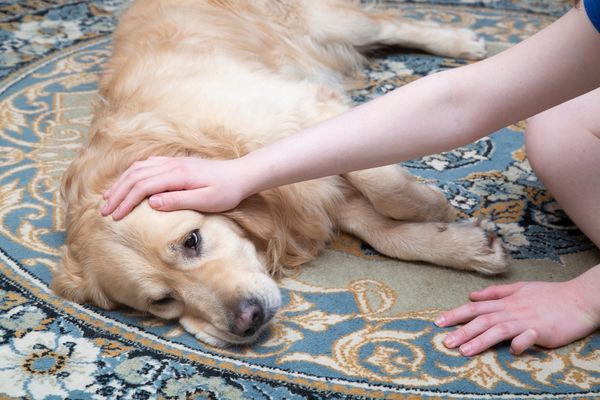
Understanding dog poop health is crucial for every pet owner. Monitor your dog’s bowel movements regularly to identify potential health concerns early. Recognizing warning signs helps ensure your pet receives timely medical attention when needed, as emphasized by Discover Animals health resources.
Key Warning Signs to Watch For:
- Prolonged Diarrhea: Contact a veterinarian if your dog experiences diarrhea for two consecutive days or longer. Extended diarrhea can lead to dehydration and serious health complications requiring immediate care.
- No Bowel Movement: Seek professional help if your dog hasn’t produced any bowel movement within twenty-four hours. This constipation pattern may indicate digestive blockages or other serious internal issues.
- Abnormal Color: Healthy dog poop should appear brown in color and maintain a slightly firm consistency. Any deviation from this normal brown appearance may signal underlying health problems, according to Paw Pits veterinary guidance.
- Unusual Consistency: Dog poop health directly reflects your pet’s digestive system function and nutritional absorption. Changes in texture from the normal, slightly firm state require veterinary evaluation.
- Non-Brown Colors: Colors other than brown in your dog’s stool require immediate attention from a veterinary professional. This includes black, red, white, or unusually pale stools that indicate various health conditions.
Regular observation of your dog’s poop helps establish normal patterns for your specific pet. Changes in frequency, color, or texture often serve as early warning signs of illness. Taking prompt action when noticing abnormal dog poop can prevent serious health complications. Pet owners in Orange Park and Savannah can maintain detailed health records while professional services handle routine cleanup.
Document any changes in your pet’s bowel movements to share with your veterinarian. Early intervention based on dog poop health observations leads to better treatment outcomes, as supported by Pets in the Family health advocates. For additional questions about your pet’s health patterns, consulting frequently asked questions from pet care professionals can provide valuable insights.
Conclusion
Understanding your dog’s bowel movement patterns is a fundamental aspect of responsible pet ownership and health monitoring. Normal poop frequency varies significantly by age, with puppies eliminating 3-5 times daily, adults 1-3 times, and seniors 1-2 times per day. Six key factors influence these patterns: age, diet, health conditions, meal portions, medications, and stress levels. Most dogs need to eliminate 30-60 minutes after eating, making timing predictable for owners.
Regular observation of your pet’s poop frequency, color, and consistency helps establish baseline patterns and identify potential health issues early. Warning signs requiring veterinary attention include diarrhea lasting over two days, no bowel movement for 24 hours, or any non-brown coloration. Environmental responsibility in pet waste management is also crucial for community health, as highlighted by the Veterinary Sustainability Alliance.
By staying attentive to these patterns and understanding what’s normal for your individual dog, you can ensure prompt medical intervention when needed and maintain your pet’s optimal digestive health. For professional support with yard maintenance and waste management, contact us for local pet care services, or read our about us page for more information.
FAQs
How long can a dog go without pooping before it becomes concerning?
If your dog hasn’t had a bowel movement in 24 hours, contact your veterinarian. While senior dogs may occasionally skip a day, prolonged constipation can indicate serious issues like intestinal blockages, dehydration, or other health problems requiring immediate attention.
Is it normal for my dog to poop immediately after eating?
Yes, puppies under one year old typically poop 3-5 times daily due to their developing digestive systems and frequent feeding schedules. This frequency is completely normal and should gradually decrease as they mature into adults.
What colors indicate my dog’s poop is unhealthy?
Healthy dog poop should be brown in color with a slightly firm, log-like consistency. It should hold its shape when picked up, but not be too hard or too soft. Any deviation in color (black, red, white, or pale) warrants veterinary consultation.
How does my dog’s age affect their bathroom schedule?
Most dogs need to eliminate waste 30-60 minutes after eating. Puppies typically need bathroom breaks closer to 30 minutes post-meal, while adult dogs may take up to an hour. Planning walks around these windows helps prevent accidents.
Can stress really change my dog’s bowel movement patterns?
Absolutely. Emotional stress, anxiety, environmental changes, loud noises, or separation anxiety can disrupt your dog’s normal digestive patterns, often causing loose stools or increased frequency. Managing stress sources helps maintain regular elimination habits.
