
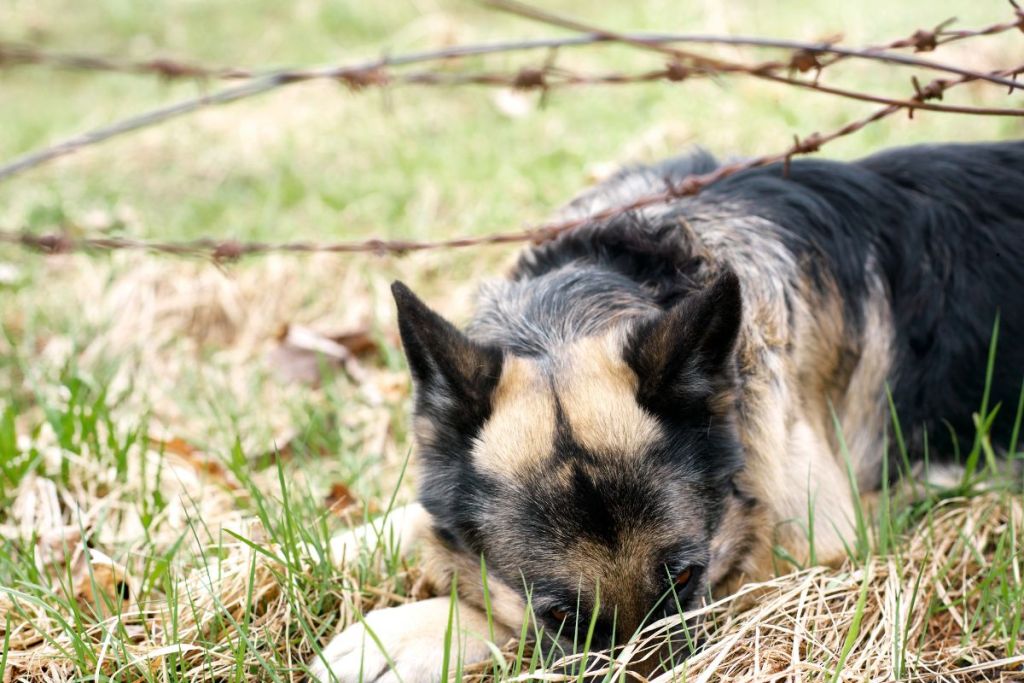
Soft dog poop is abnormal stool consistency ranging from poorly-formed logs that break apart when lifted to complete liquid diarrhea, occurring when the large intestine fails to properly reabsorb water during digestion, affecting normal defecation patterns of 1-3 times daily.
Visual Indicators by Color
- Normal: Chocolate brown, firm, log-shaped, minimal residue
- Green: Grass consumption, toxins, food dyes
- Yellow: Liver dysfunction, food intolerance
- Orange: Active infections, gallbladder issues
- Black/Tarry: Upper GI bleeding, stomach ulcers
- Bright Red: Lower intestinal bleeding, colitis
- White Specks: Tapeworms, undigested particles
Eight Primary Causes
- Dietary Changes: Sudden food transitions without 7-10 day gradual mixing
- Food Sensitivities: Reactions to beef, dairy, chicken, wheat proteins
- Overfeeding: Portions exceeding digestive capacity
- Infections: Bacterial (E.coli), viral (parvovirus), parasitic (roundworms, hookworms, whipworms)
- Stress/Anxiety: Cortisol elevation disrupting gut bacteria
- Medications: Antibiotics eliminating beneficial intestinal flora
- Organ Dysfunction: Pancreatic insufficiency, liver disease
- Poor Nutrition: Dog food below 18% protein (adults) or 22.5% (puppies)
Treatment & Prevention
Immediate treatment involves a 48-72 hour bland diet of boiled chicken and rice, supplemented with pumpkin fiber to firm stools. Veterinary intervention is required if symptoms persist beyond 48 hours or if blood appears in stool, lethargy develops, or vomiting occurs. Prevention focuses on gradual 7-10 day food transitions, maintaining 6-8 hour intervals between meals, selecting high-quality foods with minimum 18% protein content and AAFCO certification, and regular exercise to promote healthy digestion. Diagnostic testing when needed includes fecal analysis for parasites, complete blood count for infections, and chemistry panels for organ function assessment. For pet owners in Northeast Florida dealing with persistent waste management issues, professional poop scooping services can help maintain a clean environment while monitoring your dog’s health.
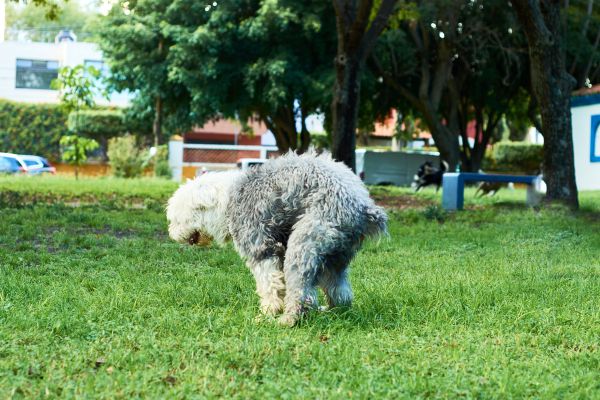
Understanding Different Colors and Textures in Soft Dog Poop
Before exploring different colors and textures of abnormal or soft dog poop, understanding normal waste is essential. Recognizing healthy bowel movements helps pet owners identify when problems occur. This knowledge serves as your baseline for monitoring your dog’s digestive health, as outlined by the ASPCA’s comprehensive pet care guidelines.
What Healthy Dog Poop Looks Like
Healthy dog poop should appear light to chocolate brown in color. The waste should be log-shaped and completely formed when expelled. Normal stools should be firm enough to keep their shape during pickup. They should leave very little residue on the ground or cleanup tools. Healthy dog poop typically has a mild odor that remains fairly consistent. Adult dogs usually defecate one to three times daily, while puppies eliminate more often.
Identifying Soft Dog Poop
Soft dog poop differs significantly from normal, healthy bowel movements. These stools can range from log-shaped waste that breaks apart when lifted. Very moist stools often appear as piles rather than maintaining log shapes. Soft dog poop consistently leaves much more residue than normal waste. This type of stool proves much harder to clean up completely, which is why many Jacksonville residents rely on Scoop Day for professional waste removal services.
Recognizing Diarrhea in Dogs
Diarrhea involves passing unformed or completely liquid stools in larger amounts. This condition typically occurs much more frequently than normal bowel movements. The liquid consistency makes cleanup extremely difficult and messy for owners. According to PetMD’s veterinary resources, persistent diarrhea can lead to dangerous dehydration requiring immediate medical attention.
The following list shows common color and texture changes in soft stools:
- Clear liquid waste: This represents diarrhea caused by infections, stress, or sudden diet changes. Underlying inflammatory bowel disease may also trigger this clear, liquid elimination.
- Green colored dog poop: Green waste often results from eating large amounts of grass recently. Toxin ingestion, infections, or artificial food coloring can also cause this color.
- Yellow tinted stools: Yellow coloring may indicate liver problems or intestinal system issues. Food intolerance or artificial dyes in pet food can also create this appearance.
- Orange colored waste: Orange dog poop could signal active infections in the digestive system. Liver disease or gallbladder problems may also produce this unusual coloring.
- Black tarry stools: This dark appearance typically means bleeding in the upper digestive tract. Stomach ulcers commonly cause this distinctive black, sticky texture and appearance.
- Red colored dog poop: Bright red usually indicates bleeding occurring in the large intestine area. Stress colitis or masses in the colon can trigger this alarming color change.
- White specks in brown waste: These visible particles often signal intestinal parasites like tapeworms. Undigested food particles may also appear as white specks in normal brown stools.
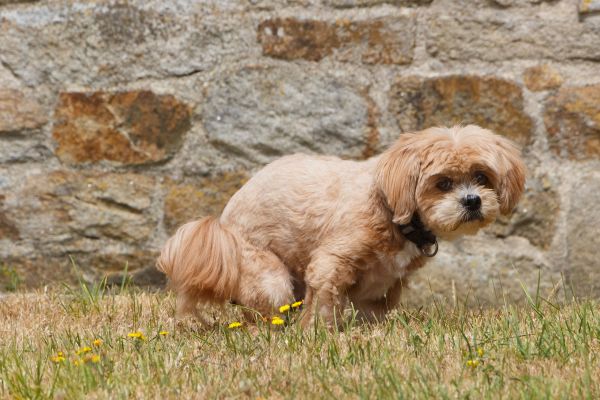
8 Main Reasons Why Dogs Develop Soft Stools
Now that you understand the main differences in color and texture of soft dog poop, let’s explore common causes. Understanding these reasons helps pet owners identify potential problems quickly. This knowledge allows you to take appropriate action when digestive issues occur in your pet.
Changes in Your Dog’s Diet
Suddenly switching your dog’s food brand or type may cause temporary soft dog poop. This reaction can happen with or without excess mucus in the stool. Introducing new treats or feeding table scraps can also trigger digestive upset. Rapid food changes shock the digestive system and disrupt normal bacterial balance. The CDC’s Healthy Pets program emphasizes the importance of gradual dietary transitions for maintaining pet health.
Key dietary transition guidelines:
- Veterinarians recommend transitioning slowly over seven to ten days for best results
- Start by mixing small amounts of new food with the current diet consistently
- Gradually increase the new food amount every few days until completely switched over
- Dogs with food sensitivities may need up to two weeks for complete transition
- Monitor your dog’s stool consistency throughout the entire transition period
Always consult your veterinarian when unsure about dietary changes for your pet. Proper transition methods help prevent digestive problems and maintain your dog’s overall health. Taking time with diet changes protects your pet from unnecessary digestive stress. Patient transitions ensure better acceptance of new foods and improved digestive wellness. For busy pet owners in St. Augustine and surrounding areas, monitoring these changes becomes easier when yard cleanup is handled professionally.
Food Sensitivities and Allergic Reactions
Sensitivities to common dog food ingredients like beef, dairy, chicken, and wheat cause digestive problems. These reactions often result in increased bowel movements and soft dog poop episodes. However, soft stools might not be the only sign of food allergies. Many dogs develop multiple symptoms that affect different body systems simultaneously, as documented by Pet Health Network’s allergy research.
Common food allergy symptoms include:
- Persistent itching, licking, or chewing on body parts repeatedly throughout the day
- Secondary skin infections or ear infections that develop from food sensitivities over time
- Additional gastrointestinal signs like vomiting or excessive gas production after meals
- Soft stool problems that occur consistently after eating certain trigger ingredients
- Red, inflamed skin areas that become worse with continued exposure to allergens
Food allergies can affect multiple body systems beyond just the digestive tract completely. Identifying trigger ingredients helps prevent ongoing health problems in sensitive dogs effectively. Working with your veterinarian ensures proper diagnosis and treatment of suspected food allergies. Elimination diets help pinpoint specific ingredients causing digestive problems in affected pets.
Giving Your Dog Too Much Food
Overfeeding ranks as one of the most common causes of soft dog poop. Many pet parents do this without realizing they are causing digestive problems. Feeding excessive amounts of dog food, even high-quality brands, overloads the digestive system. Large portions strain the digestive organs and prevent proper nutrient processing throughout the body. Residential waste management services often notice patterns in households where overfeeding occurs.
Problems caused by overfeeding include:
- Makes it very difficult to properly digest food and absorb nutrients effectively
- Excess food gets expelled as soft dog poop rather than properly formed stools
- Overloaded digestive system cannot process large amounts of food efficiently throughout the day
- Poor nutrient absorption leads to various health problems over extended time periods
- Weight gain occurs when dogs consume more calories than they burn daily
Proper portion control helps maintain healthy digestion and prevents soft stool issues completely. Measuring your dog’s food ensures they receive appropriate nutrition without digestive overload problems. Following feeding guidelines on quality dog food labels promotes optimal digestive health consistently. Regular weight monitoring helps owners adjust portions based on their dog’s changing needs.
Bacterial, Viral, or Parasitic Infections
Bacterial infections like E. coli damage the intestinal tract lining and cause inflammation. Viral infections such as canine parvovirus create similar digestive system problems in dogs. Parasitic infections from roundworms, hookworms, and whipworms also damage intestinal health significantly. These harmful organisms multiply rapidly and spread throughout the digestive system causing widespread damage. The USDA’s Animal Care division provides extensive research on preventing and treating these infections.
Common infection effects include:
- Damage to intestinal tract lining that reduces proper digestive function throughout the system
- Inflammation throughout the digestive system affecting normal nutrient processing and absorption rates
- Decreased ability to absorb essential nutrients from food consumed during regular daily meals
- Poor nutrient absorption combined with severe inflammation results in persistent soft dog poop
- Dehydration occurs when frequent loose stools cause excessive fluid loss from the body
These infections require professional veterinary treatment for complete recovery and health restoration effectively. Early diagnosis and treatment prevent serious complications and promote faster healing in affected dogs. Regular parasite prevention helps protect your pet from many common intestinal infections successfully. Prompt medical attention ensures better outcomes and prevents long-term digestive damage. Pet owners in The Beaches area in Northeast Florida should be especially vigilant about parasite prevention due to the coastal environment.
Emotional Stress and Anxiety Issues
Some dogs experience stress-related stool changes when their routine or environment changes suddenly. These disruptions negatively affect your dog’s intestinal motility and normal digestive function. Stress causes increased release of hormones like cortisol throughout the body system. Moving homes, new family members, or schedule changes can trigger digestive upset in sensitive dogs.
Stress-related digestive problems include:
- High stress levels disrupt normal gut bacteria balance in the intestines significantly
- Increased cortisol release affects normal digestive processes and healthy stool formation patterns
- Changes in routine or environment trigger anxiety-related digestive upset in susceptible pets
- All stress factors combine to create softer than normal stools in affected dogs
- Chronic stress can lead to long-term digestive problems requiring ongoing management
Managing your dog’s stress levels helps maintain healthy digestive function and normal stool consistency. Gradual environmental changes reduce anxiety and prevent stress-related digestive problems in sensitive pets effectively. Creating stable routines promotes better overall health and digestive wellness throughout your pet’s life. Calming supplements and behavioral training help anxious dogs cope with stressful situations. Commercial property managers often report increased waste issues in dogs adjusting to new boarding or daycare facilities.
Side Effects from Prescribed Medications
Certain medications can cause soft stools in dogs as an unwanted side effect. Antibiotics used to treat bacterial infections serve as a common example of this problem. Unfortunately, antibiotics kill beneficial bacteria in your dog’s intestinal tract along with harmful ones. This disruption affects the delicate balance of microorganisms essential for proper digestive function, as explained by Pets in the Family’s medication guide.
Medication-related digestive issues include:
- Creates an imbalance in normal gut bacteria affecting proper digestive function throughout the system
- Often produces soft dog poop during and after antibiotic treatment periods consistently
- Disruption of healthy intestinal bacteria affects proper digestion and stool formation significantly over time
- Recovery time varies depending on medication type and treatment duration prescribed by veterinarians
- Some medications require gradual dosage reduction to prevent digestive system shock
Probiotics can help restore healthy gut bacteria balance during and after medication treatments effectively. Discuss potential digestive side effects with your veterinarian when starting new medications for your pet. Monitoring your dog’s stool consistency helps identify medication-related digestive problems early for prompt treatment. Probiotic supplements support digestive health recovery and maintain beneficial bacterial populations in intestines.
Issues with Pancreas or Liver Function
Both organs play direct roles in digesting food within your dog’s intestinal system. Dysfunction or diseases affecting either organ ultimately decrease nutrient absorption from food consumed. This poor absorption results in soft dog stools rather than properly formed waste. These vital organs produce enzymes and bile necessary for breaking down fats and proteins.
Serious warning signs requiring immediate veterinary attention:
- Sudden severe lethargy or depression that appears without any obvious environmental cause
- Sudden refusal to eat or drink anything offered by concerned pet owners
- Persistent vomiting, bright red blood in feces, or black tarry stools indicating internal bleeding
- Bloated abdomen appearance or inability to get comfortable when resting or lying down
- Yellowing of gums, eyes, or skin indicating possible liver problems requiring urgent care
Conditions affecting the liver and pancreas can become very serious or life-threatening quickly. Early veterinary intervention improves treatment outcomes and prevents serious complications from developing further. These organs are essential for proper digestion and overall health maintenance throughout your pet’s lifetime. Regular blood work helps detect organ dysfunction before symptoms become severe. Green Cove Springs pet owners can rely on Scoopday for professional dog waste removal services, ensuring cleaner yards and healthier outdoor spaces.
Poor Quality Commercial Dog Food
Soft stool in dogs often indicates their diet lacks certain key nutritional components. Most commonly, dogs need adequate protein and fiber levels for proper digestion. Taking in too much liquid and insufficient fiber consistently results in soft dog poop. Low-quality foods contain fillers and artificial ingredients that provide little nutritional value for pets. Great Pet Care’s nutrition experts recommend carefully evaluating pet food labels.
Quality dog food selection criteria:
- Find nutritional adequacy statement that follows AAFCO guidelines for complete and balanced nutrition
- Check guaranteed analysis for protein levels of at least 22.5% for growing puppies
- Adult dogs need minimum protein levels of 18% for optimal digestive health maintenance
- Review ingredient list ensuring first several components are healthy protein sources like meat
- Avoid foods with excessive corn, wheat, or soy fillers that provide poor nutrition
Look for meat, fish, meat meals, fish meals, grains, and potatoes as primary ingredients. High-quality nutrition supports proper digestion and helps maintain firm, healthy stools consistently over time. Investing in quality food prevents many digestive problems and promotes long-term health benefits. Reading labels carefully helps pet owners make informed decisions about their dog’s nutritional needs.
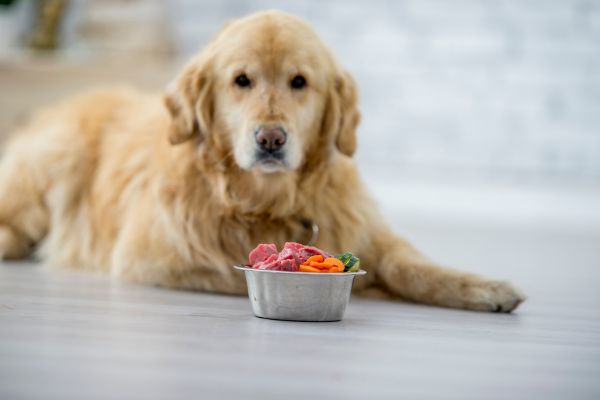
Simple Ways to Make Your Dog’s Stool Firmer
Now that you understand common causes of soft dog poop, let’s explore simple home methods. These techniques can help firm up your dog’s stool using safe, accessible approaches. Many pet owners find these strategies effective for managing minor digestive issues at home. For those in Palm Coast dealing with ongoing cleanup challenges, combining these treatments with professional waste removal ensures a healthier environment.
Start Your Dog on a Gentle Diet
When your dog experiences soft stools, help their digestive system recover with easily digestible food. A low-fat diet works best during this recovery period for most dogs. Boiled white-meat chicken mixed with small amounts of cooked white rice creates an ideal combination. Feed small portions of this mixture over the next two to three days. This gentle approach gives the digestive system time to heal and reset properly. Regular dog food can be slowly reintroduced after this period if stools start firming. Add increasing amounts of regular food mixed with the chicken and rice gradually.
Add Pumpkin or Sweet Potato to Meals
Pumpkins and sweet potatoes provide excellent sources of fiber for digestive health improvement. The additional fiber helps with both soft dog stools and constipation problems effectively. Extra fiber adds bulk to soft stools and slows food movement through the digestive tract. This slower movement allows more time for adequate digestion and nutrient absorption. Adding fiber to your dog’s diet also helps absorb excess water from the intestines. This water absorption ultimately helps firm up soft dog poop into more normal consistency.
The recommended feeding amounts vary based on your dog’s size and weight. Small dogs weighing 20 pounds or less should receive half to one full teaspoon. Medium dogs between 21 and 35 pounds need approximately one tablespoon per serving. Large dogs over 35 pounds require two to four tablespoons for effective results. Start with smaller amounts and gradually increase until stools return to normal consistency. Always use fresh pumpkin or plain canned pumpkin, never pumpkin pie filling products.
Know When to Contact Your Veterinarian
Generally, schedule a veterinary appointment if your dog’s soft dog poop persists beyond 48 hours. This timeframe helps determine if the issue requires professional medical intervention or treatment. Other warning signs warrant immediate veterinary care for soft dog poop episodes in dogs. Contact your veterinarian if your dog acts sick with lethargy, vomiting, or decreased appetite. Bright red blood visible in your dog’s stool requires immediate professional medical attention. A fever combined with soft stools also indicates the need for urgent veterinary care.
The most commonly recommended diagnostic tests for persistent soft dog poop include fecal analysis procedures. Complete blood count tests and comprehensive chemistry panels provide additional important health information. Urinalysis testing helps veterinarians identify underlying causes of digestive problems in affected dogs. Treatment recommendations depend on test results and identification of the root cause. Professional diagnosis ensures your dog receives appropriate treatment for their specific digestive issue. Scoopday in Orange Park, FL offers professional dog waste removal services to keep your yard clean and odor-free.

How to Clean Up Soft Dog Poop and Prevent Future Problems
Properly cleaning up soft dog poop from your yard, grass, or sidewalks presents unique challenges. The following tips and tricks help you pick up and dispose of your dog’s soft stool effectively. These practical solutions make cleanup easier and more sanitary for pet owners everywhere. The National Park Service’s pet guidelines emphasize proper waste disposal for environmental protection.
Always attach a waste bag container directly to your dog’s leash for convenience. This ensures you never forget to bring bags when taking walks with your pet. These bags also work as protective gloves when picking up soft dog poop during outdoor adventures. If your dog’s waste is too soft to pick up easily, try sprinkling materials over it. Cat litter, baking soda, or sand can help solidify the mess for easier removal. Carry a small water bottle with you along with biodegradable pet wipes for thorough cleanup. These supplies help remove any remaining soft dog poop residue from surfaces completely. You might consider using compressed air spray that delivers fast, freezing bursts of air. This innovative tool instantly firms up your dog’s soft stool, making pickup much simpler.

Simple Ways to Prevent Soft Dog Poop
Preventing soft dog poop problems is much easier than treating them after they occur. By following these straightforward recommendations, you can greatly reduce digestive issues in your pet. Taking proactive steps helps maintain your dog’s health while avoiding costly veterinary visits later. The EPA’s environmental guidelines stress the importance of proper pet waste management for public health.
Keep Your Dog on a Regular Eating Schedule
Feeding your dog too often and too close together commonly causes soft stool problems. When you feed your dog a meal, it triggers the gastrocolic reflex response. This means food digesting in their stomach stimulates them to eliminate waste from their colon. The body prepares space for the next wave of digested food moving through the system. Feeding too frequently without adequate time between meals prevents proper food digestion completely. This poor timing consistently results in soft dog poop rather than formed stools.
Feed measured amounts twice daily with at least six to eight hours between meals. This schedule works best for most adult dogs and promotes healthy digestion. Puppies require more frequent feeding initially due to their smaller stomach capacity and faster metabolism. Pet owners can learn more about our services and how professional waste management supports overall pet health monitoring.
Choose High Quality Food for Your Dog
Nutrition plays an essential role in maintaining your dog’s firm stool consistency every day. Feed a high-quality, highly digestible, high-protein diet designed for your dog’s specific needs. A meat-based diet generally produces the best results for most dogs’ digestive systems. Avoid feeding table scraps or treats that contain high amounts of fat or sugar. Dairy products should also be avoided since most dogs cannot digest them properly. Higher quality dog food requires smaller portions to maintain healthy body weight and condition. This reduction in food quantity often helps prevent soft stool problems naturally.
Make Sure Your Dog Gets Regular Exercise
Just like humans, regular exercise helps stimulate healthy movement within the gastrointestinal tract system. Physical activity prevents stool from sitting too long in the colon and absorbing excess water. This water absorption leads directly to soft dog poop formation in sedentary pets. Daily walks and playtime promote proper digestive function and regular bowel movement timing. Florida’s Department of Environmental Protection maintains numerous dog-friendly parks perfect for regular exercise.
Schedule Regular Checkups with Your Veterinarian
Early detection of digestive issues makes treatment and management much easier for everyone involved. Occasional soft stools are not concerning, but daily soft dog poop requires professional veterinary attention. Detecting subtle health changes through thorough physical exams provides valuable diagnostic information for veterinarians. Discussing your dog’s ideal body condition and detailed dietary history helps identify problem causes. Environmental factors like stress can also contribute to persistent soft stool problems significantly. Even pet owners in Savannah, GA can benefit from regular veterinary consultations about digestive health.
Keep Your Dog Properly Hydrated at All Times
Adequate water intake is extremely important for maintaining solid, well-formed stools in dogs. Water is essential for binding fiber properly within the intestinal tract during digestion. The large intestine reabsorbs water from waste material as it moves through the system. However, when dogs have soft stools, fecal material moves too quickly through the intestines. This rapid movement prevents the large intestine from reabsorbing water effectively from waste material.
Persistent water loss from soft stools can lead to serious dehydration requiring immediate treatment. Common dehydration signs include loss of skin elasticity and decreased appetite in affected dogs. Vomiting with or without diarrhea, lethargy, and increased panting also indicate dehydration problems. Sunken eyes, dry nose, sticky gums, and thick saliva are additional warning signs. Consult your veterinarian immediately if these symptoms appear alongside soft dog poop episodes.
Change Your Dog’s Food Slowly Over Time
When making changes to your dog’s diet, transition slowly over seven to ten days. Start by mixing approximately 25% of new food with current food initially. Gradually increase the new food amount by 25% every couple of days until completely switched. This gradual approach helps prevent digestive upset and soft dog poop formation during transitions. Your dog’s new diet likely contains different amounts and sources of dietary fiber and protein. Most dogs’ gastrointestinal systems need two to three weeks to adjust completely to new foods. Check our blogs for more tips on maintaining your dog’s digestive health.
Conclusion
Managing your dog’s digestive health requires understanding the causes of soft dog poop and taking proactive steps. From dietary changes and food sensitivities to infections and stress, multiple factors can affect stool consistency. Regular monitoring helps you identify problems early and take appropriate action when needed. Simple home remedies like bland diets and pumpkin supplementation often provide effective relief for minor issues.
Prevention remains the most effective approach to maintaining your dog’s digestive wellness long-term. Consistent feeding schedules, high-quality nutrition, regular exercise, and proper hydration support healthy digestion naturally. When home treatments fail or symptoms worsen, professional veterinary care becomes essential for proper diagnosis. Early intervention prevents minor digestive issues from developing into serious health problems that affect your pet’s quality of life. For assistance with waste management while addressing these health concerns, contact Scoop Day to explore our service locations throughout Northeast Florida.
FAQs
How long should I wait before contacting my veterinarian about soft dog poop?
Schedule a veterinary appointment if soft dog poop persists beyond 48 hours without improvement. Contact your vet immediately if blood appears in stools or your dog shows lethargy.
Can I give my dog human food to help firm up their stool?
Boiled white-meat chicken with plain white rice works well for temporary digestive relief. Avoid seasoned foods, dairy products, and high-fat items that may worsen digestive problems.
What amount of pumpkin should I feed my dog for soft stools?
Small dogs under 20 pounds need half to one teaspoon of plain pumpkin daily. Large dogs over 35 pounds can receive two to four tablespoons safely.
Is it normal for puppies to have softer stools than adult dogs?
Puppies naturally have softer stools due to developing digestive systems and frequent feeding schedules. Persistent diarrhea or blood in puppy stools requires immediate veterinary attention though.
Can stress really cause digestive problems in dogs like soft dog poop?
Stress triggers hormone release that disrupts normal gut bacteria and digestive function significantly. Environmental changes, new routines, or anxiety can directly cause softer than normal stools.
