

Dog poop is bad for your grass and creates serious lawn damage through nitrogen overload, disease transmission, and water contamination. While small amounts of nitrogen help grass grow, dog waste contains dangerously high concentrations that burn and kill grass in three stages: initial dark green growth, yellow patches from nitrogen burning, and finally brown dead spots requiring reseeding. Professional dog poop scooping services can help prevent these issues through regular waste removal.
Key problems dog poop causes:
- Grass damage: Takes up to 12 months to decompose, continuously releasing lawn-burning nitrogen
- Health risks: Spreads Campylobacteriosis, Cryptosporidiosis, Salmonella, and parasites like tapeworms and roundworms
- Fungal growth: Creates ideal conditions for harmful lawn fungi, some toxic to pets and children
- Water pollution: Rainwater washes waste into storm drains and contaminates local water systems
The solution is immediate removal: pick up dog waste right after your pet goes to the bathroom to prevent bacteria from seeping into grass roots and protect your family’s health. Professional services recommend daily cleanup or weekly removal at a minimum to maintain lawn health and prevent widespread contamination. Leaving waste on the lawn for extended periods can also attract unwanted pests like flies and create unpleasant odors that linger in your outdoor space. Additionally, consistent waste removal helps maintain proper soil pH levels and prevents nitrogen burns that can create unsightly brown patches across your yard.
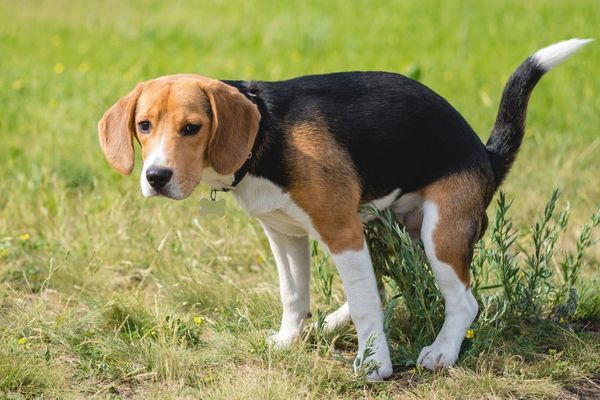
Why Dog Poop Damages Your Lawn and Health
Dog poop scooping isn’t just about cleanliness; it’s a critical responsibility that impacts both your property and well-being. Leaving dog waste on your grass creates serious problems for your lawn and family health, from nutrient imbalances that can kill grass to the spread of harmful parasites and bacteria. Understanding these risks helps you make informed decisions about proper dog poop removal and establishes why regular cleanup should be a non-negotiable part of pet ownership.
How Dog Poop Destroys Your Grass
Dogs require high-protein diets that produce nitrogen during digestion. According to pet care experts, this nitrogen gets concentrated in dog poop and urine. When dog waste breaks down on grass, it releases excessive nitrogen levels that damage your lawn.
While grass needs some nitrogen to grow, too much nitrogen burns and kills grass blades. This creates the same effect as over-fertilizing your lawn. Dog poop contains dangerously high nitrogen concentrations for grass health.
The breakdown process shows three distinct stages of damage:
- Dark Green Growth – Fresh dog poop slowly releases small nitrogen amounts. This initially fertilizes surrounding grass, making it appear darker and taller than normal areas.
- Yellow Patches – Continued decomposition releases more nitrogen, overwhelming grass tolerance levels. Yellow spots indicate nitrogen burning has begun damaging your lawn.
- Brown Dead Spots – Complete nitrogen overload kills grass entirely. These brown patches require reseeding to restore your lawn’s appearance.
Dog poop takes up to twelve months to decompose completely. During this extended period, nitrogen levels continue rising until grass death occurs. Regular residential dog poop cleanup prevents this progressive damage cycle.
Disease and Parasite Transmission Risks
Dog poop carries numerous dangerous pathogens that threaten human health. The Centers for Disease Control identify multiple diseases spread through canine waste. Veterinary health resources provide detailed information about these health risks.
Common diseases transmitted through dog poop include Campylobacteriosis, Cryptosporidiosis, and Salmonella infections. Parasites like tapeworms, hookworms, and roundworms also spread through contaminated soil contact.
Disease transmission happens through indirect contact with contaminated surfaces. You touch soil containing microscopic bacteria from decomposed dog waste. Later, eating without proper hand washing introduces these pathogens into your system.
Children face higher infection risks because they play outdoors frequently. They also forget hand washing more often than adults. Immediate dog poop scooping reduces family exposure to these health threats significantly. Pet health experts recommend implementing strict hygiene protocols when dealing with pet waste.
Proper removal involves disposing of waste immediately and washing hands thoroughly afterward. This simple action prevents most disease transmission from occurring.
Fungal Growth Problems
Dog poop creates ideal conditions for harmful lawn fungi development. The waste provides moisture and nitrogen that fungi need for rapid growth and spreading.
Many fungal species damage grass health and appearance when allowed to establish. Some mushrooms growing from dog waste areas are toxic to pets and children. Prevention through regular dog poop scooping eliminates these fungal growth opportunities. Commercial dog waste removal services can help businesses maintain safe outdoor spaces.
Fungi thrive in moist, nitrogen-rich environments that dog waste provides. Once established, lawn fungi spread quickly and become difficult to eliminate completely.
Water Source Contamination
Rainwater washes dog poop particles into storm drains and local water systems. The Environmental Protection Agency classifies improperly disposed of dog waste as water pollution. Pet health network specialists emphasize the environmental impact of improper waste disposal.
Dog poop sitting on grass gets carried away during rain events. This contaminated runoff enters rivers, lakes, and groundwater supplies. Bacteria and parasites from dog waste then pollute drinking water sources.
Even rural areas face water contamination risks from accumulated dog waste. Natural settings don’t eliminate pollution potential when rain occurs. Responsible dog poop scooping protects community water quality regardless of location.
The decomposition timeline makes this problem worse because waste sits exposed for months. Multiple rain events wash contaminated material into water systems repeatedly. Immediate removal prevents this ongoing pollution source.
Regular dog poop scooping protects your lawn, family health, and community water quality. Taking action immediately after your dog eliminates waste prevents all these serious problems from developing.
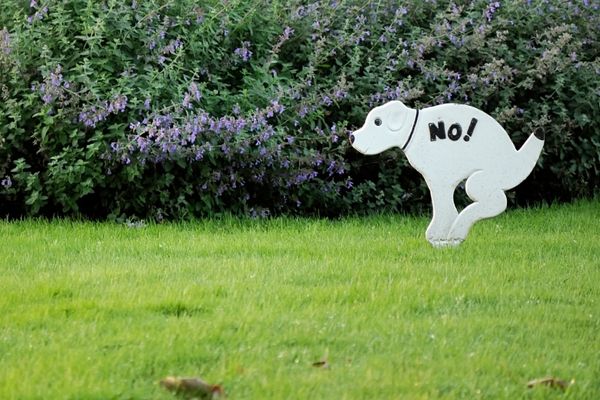
Stop Dog Poop From Ruining Your Lawn
Protecting your grass from dog waste damage requires immediate action and consistent maintenance. Dog poop contains harmful bacteria that can create unsightly brown spots on your lawn. The solution is straightforward: remove all dog waste quickly and follow proven prevention strategies. Pet care professionals recommend establishing consistent waste removal routines.
Remove Dog Waste Immediately
Pick up dog poop right after your pet goes to the bathroom. This prevents harmful bacteria from seeping into your grass roots. Always wash your hands thoroughly after handling any dog waste cleanup tasks. Even when using bags or tools, proper hand hygiene remains essential for your health.
Professional dog poop scooping service providers in Jacksonville recommend weekly cleanup at minimum if daily removal isn’t possible. Waiting longer than seven days allows bacteria to penetrate deeper into soil. Regular dog poop scooping also helps maintain the aesthetic appeal of your yard while preventing unpleasant odors from developing. Many homeowners find that establishing a consistent dog poop scooping routine becomes second nature and significantly improves their outdoor living space.
Essential Lawn Protection Tips
Never operate your lawn mower when dog poop remains on the grass. Mower blades will spread bacteria and parasites throughout your entire yard area. This creates widespread contamination that damages grass and poses health risks to your family. Animal care experts stress the importance of thorough yard inspection before mowing.
Train your dog to use one designated bathroom area covered with mulch or gravel. This concentrated approach protects the majority of your lawn from potential damage. Consistent training takes time but delivers long-term lawn preservation benefits. For residents in St. Augustine and surrounding areas, professional training resources are available.
Water Treatment for Urine Spots
Rinse areas where your dog urinates as quickly as possible after accidents occur. Water dilutes the nitrogen concentration that causes yellow burn spots on grass. If immediate watering isn’t possible, treat affected areas within several hours for best results. Regular dog poop scooping from your yard is equally important for lawn health, as waste left on grass can create dead patches and attract harmful bacteria. Establishing a routine that includes both immediate urine rinsing and consistent dog poop scooping will help maintain a beautiful, healthy lawn year-round. Veterinary sustainability experts provide additional guidance on environmentally responsible pet waste management.
Lawn Care Adjustments
Set your mower blade height higher than normal to help grass recover faster. Taller grass develops stronger root systems that resist damage from pet waste. This simple adjustment makes your lawn more resilient against future dog poop incidents. Regular dog poop scooping prevents waste from sitting on the grass for extended periods, which can cause more severe burning and damage. Maintaining a consistent dog poop scooping routine also reduces the need for frequent lawn repairs and keeps your yard healthier overall. Residents in The Beaches area benefit from professional lawn care integration with waste removal services.
Natural Solutions That Work
Dog Rocks placed in your pet’s water bowl reduce nitrogen levels in their waste. These natural mineral stones require no special maintenance and remain safe for all dogs. The rocks work by filtering out impurities from tap water that contribute to lawn burn when dogs urinate. Many pet owners report significant improvements in lawn condition after consistent use, with green grass returning to previously damaged areas within weeks of starting treatment. Animal discovery resources provide additional information about natural pet care solutions.
Diet Modifications
Consult your veterinarian about switching to fresh dog food that produces less nitrogen waste. High-quality diets often result in less harmful dog poop that causes minimal lawn damage. Professional guidance ensures your pet receives proper nutrition while protecting your grass. Fresh, whole-food diets typically contain more digestible proteins and fewer fillers, which means your dog’s waste will have lower concentrations of nitrogen compounds that burn grass. Additionally, premium dog foods often include prebiotics and probiotics that improve digestive health, leading to more balanced waste that’s less likely to create unsightly brown spots on your lawn. Professional services in Green Cove Springs can coordinate with local veterinarians for comprehensive pet care.
Alternative Exercise Options
Take your dog for neighborhood walks to handle their bathroom needs away from home. This strategy completely eliminates dog poop from your property while providing beneficial exercise. Regular walks contribute to better pet health and pristine lawn conditions. Pet training specialists recommend establishing consistent walking schedules for optimal results.
Consistent application of these proven methods will keep your lawn healthy and beautiful. Dog poop scooping service professionals use these same techniques to maintain client properties effectively. For comprehensive coverage across multiple locations, including Palm Coast and Orange Park, professional services ensure consistent care.
Conclusion
Dog poop poses serious threats to both your lawn’s health and your family’s wellbeing. The high nitrogen content creates a destructive cycle of grass burning that progresses from initial dark green patches to yellow spots, ultimately resulting in brown dead areas requiring reseeding. Beyond aesthetic damage, dog waste spreads dangerous diseases like Salmonella and parasites while contaminating local water systems through storm runoff. The solution is simple yet critical: immediate removal after your pet eliminates, combined with consistent weekly cleanup at a minimum. Professional services recommend daily scooping when possible to prevent bacterial penetration into the grass roots. Family pet care experts emphasize the importance of establishing proper waste management routines. By establishing proper waste removal habits, using natural solutions like Dog Rocks, and making dietary adjustments, you can protect your lawn’s beauty while safeguarding your family’s health and contributing to community water quality preservation. For residents extending to Savannah, GA, professional waste removal services are available to maintain pristine outdoor spaces. If you have additional questions about dog waste management, visit our FAQ section or contact us for personalized assistance.
FAQs
How long does dog poop take to decompose naturally on grass?
Dog poop takes up to 12 months to decompose completely. During this entire period, it continuously releases harmful nitrogen levels that damage and kill grass, creating brown dead spots that require reseeding.
Can dog poop actually help fertilize my lawn?
No. While grass needs some nitrogen, dog poop contains dangerously high concentrations that burn and kill grass. It’s like over-fertilizing your lawn – the excess nitrogen causes more harm than benefit.
What diseases can my family catch from dog poop left on the lawn?
Dog waste can transmit Campylobacteriosis, Cryptosporidiosis, Salmonella, and parasites like tapeworms, hookworms, and roundworms. Children face higher risks due to frequent outdoor play and inconsistent hand washing.
How often should I clean up dog poop to prevent lawn damage?
Remove dog waste immediately after your pet eliminates. If daily removal isn’t possible, professional services recommend weekly cleanup at a minimum to prevent bacteria from penetrating deep into the soil.
Does dog poop really pollute water sources?
Yes. The EPA classifies improperly disposed of dog waste as water pollution. Rainwater washes waste particles into storm drains, contaminating rivers, lakes, and groundwater supplies with harmful bacteria and parasites.
